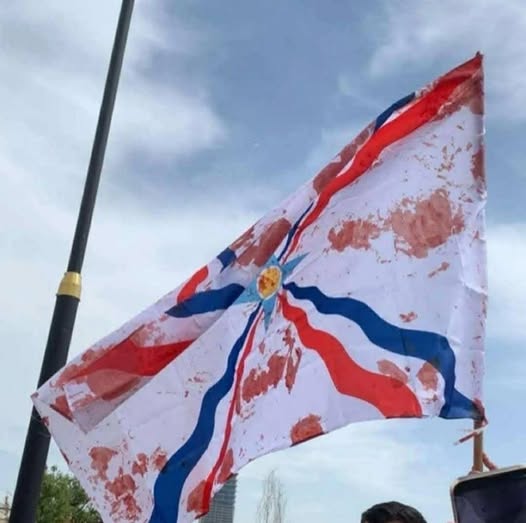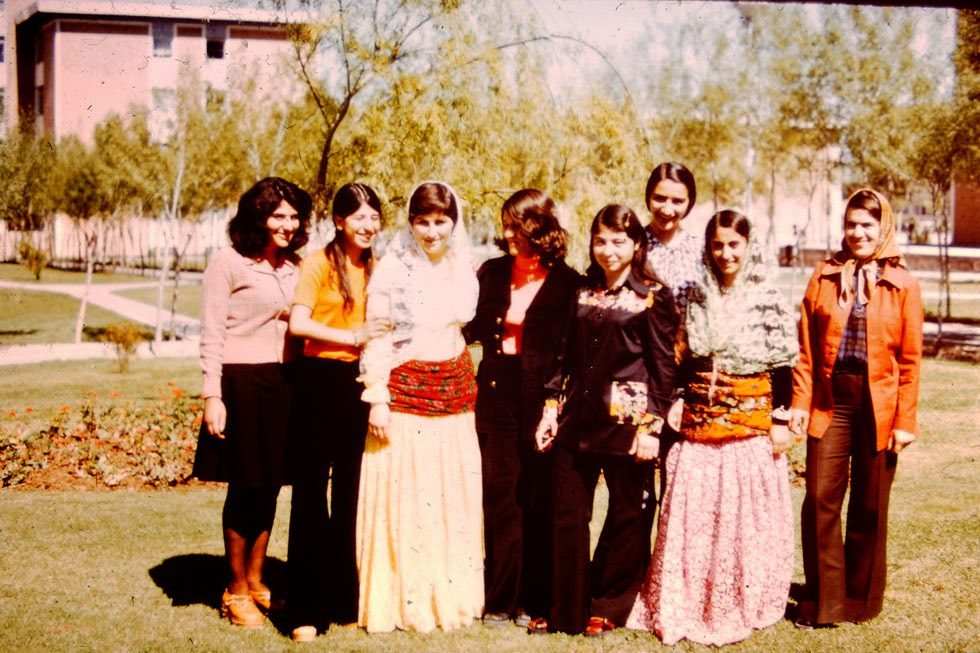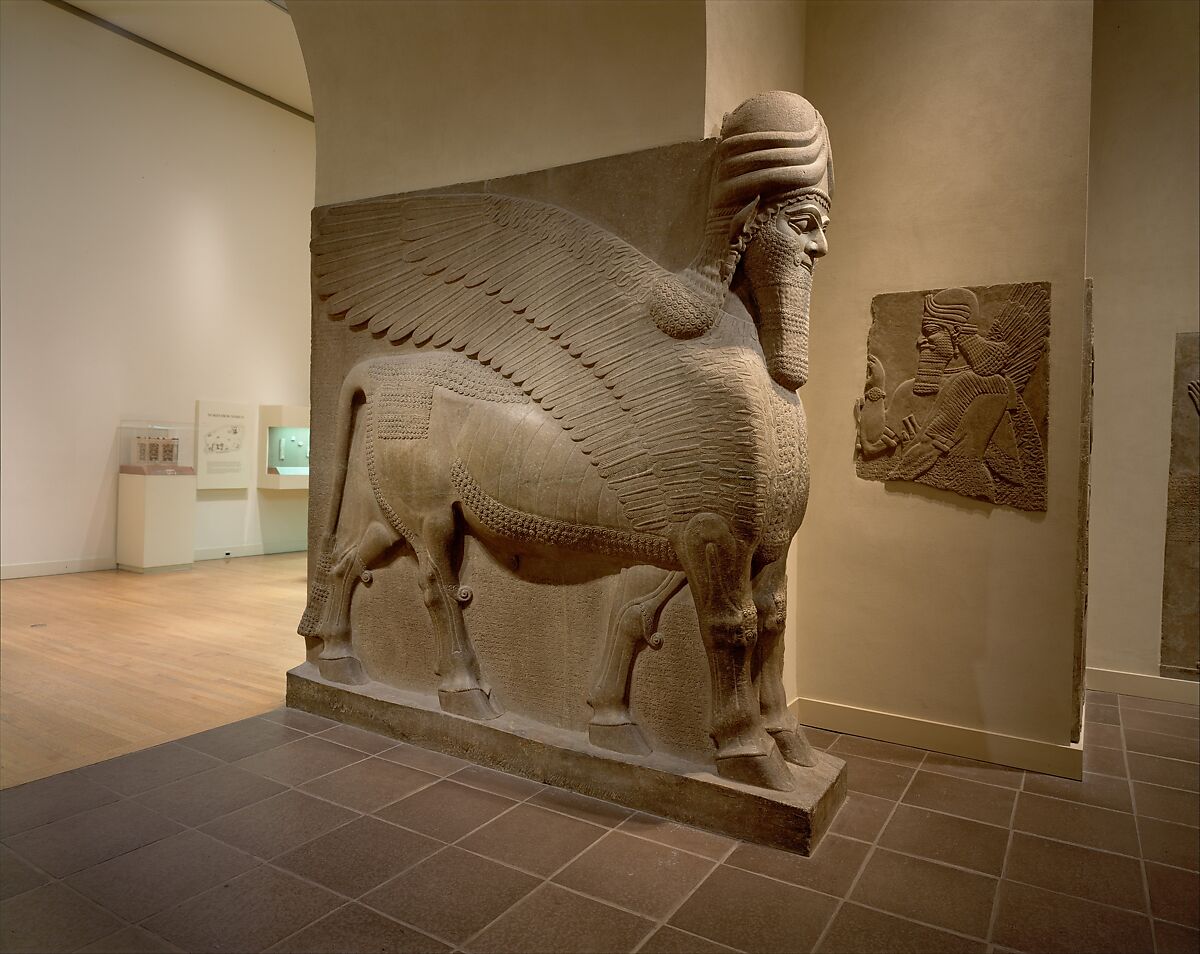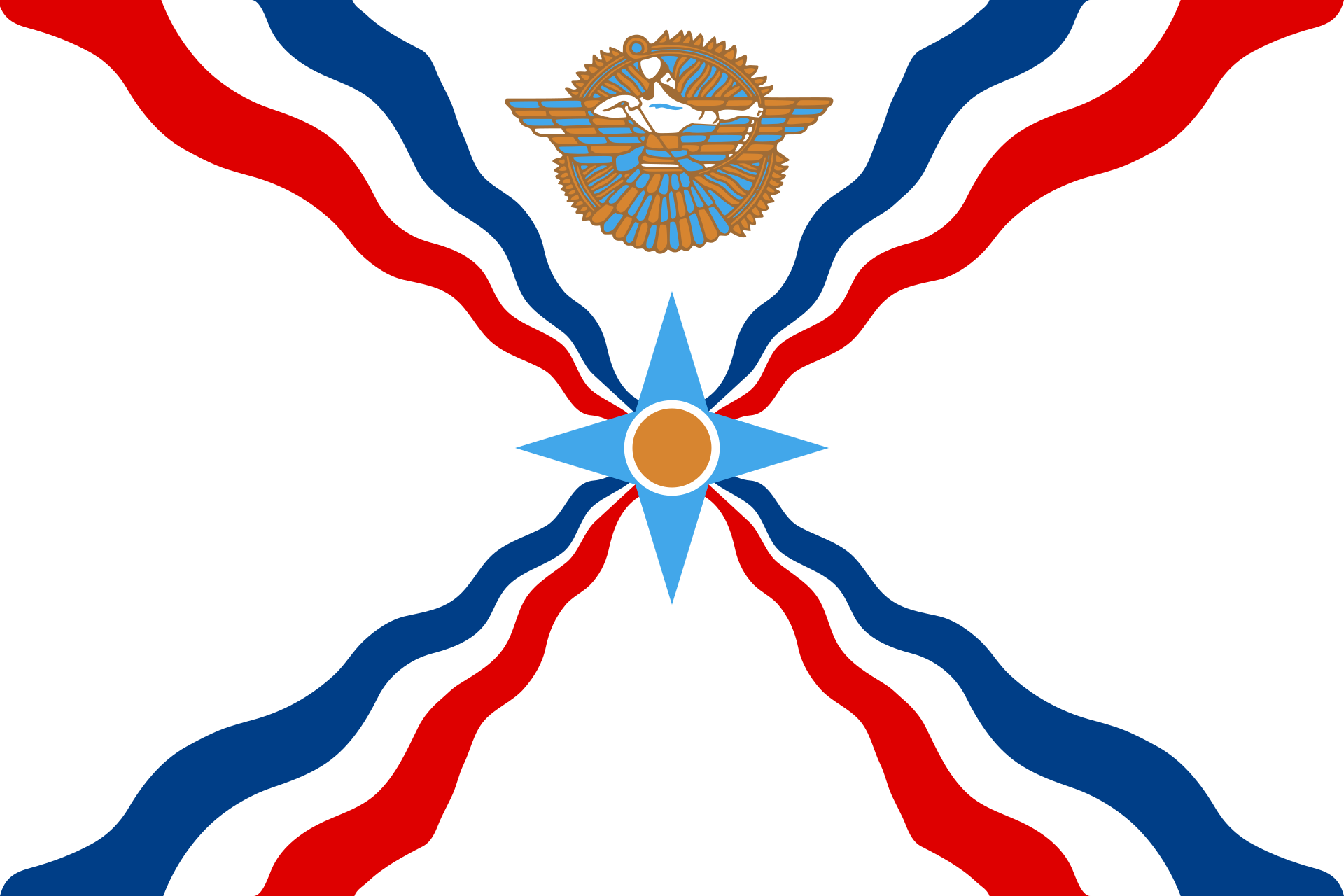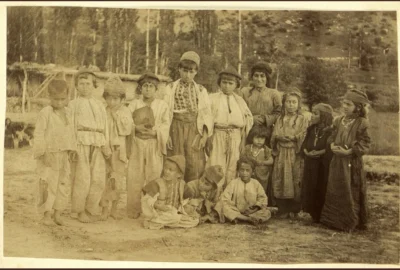
Few topics in Near Eastern history evoke as much passion, academic inquiry, and identity politics as the concept of Assyrian continuity. The narrative asks a fundamental question: Are contemporary self-identified Assyrians the direct biological, cultural, and linguistic descendants of the ancient Assyrian Empire that dominated Mesopotamia from the Bronze Age until the fall of…

In standard nationalist historiography, ethnic groups are frequently projected backward into antiquity as immutable, primordial communities. However, modern historical sociology and constructivist theories of ethnicity—drawing upon frameworks established by scholars like Fredrik Barth and Eric Hobsbawm—demonstrate that ethnic identities do not emerge in a vacuum; they are forged through specific historical, religious, and political…

Are Kurds Medes? Historiographical, Linguistic, and Genetic Debates The proposition that the modern Kurdish people are direct linear descendants of the ancient Medes is a prominent thesis in 20th-century national narratives across the Middle East. However, within contemporary Near Eastern studies, comparative philology, and historical genetics, the identification of Kurds as Medes is recognized…

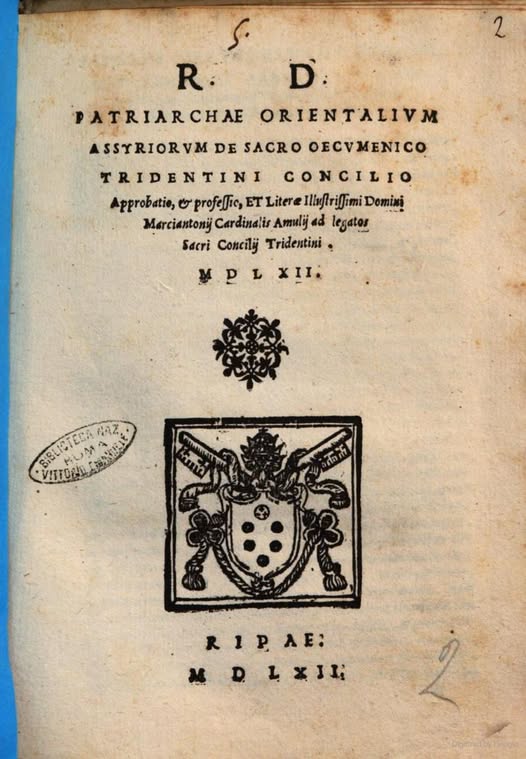
The claim that modern Assyrian identity was invented by 19th-century British missionaries is contradicted by pre-colonial historical documents, modern historical linguistics, and peer-reviewed population genetics. Primary evidence—including 16th-century Vatican records referencing Patriarchae Assyriorum, the 8th-century BCE Çineköy Inscription linking “Syria” directly to “Assyria”, post-fall administrative continuity in Achaemenid Athura, and modern archaeogenetics—proves uninterrupted continuity…

The Assyrian people are an indigenous ethnic group native to Mesopotamia, particularly the region that is now modern-day Iraq. Their historical continuity in northern Mesopotamia extends over several thousand years, making them the oldest surviving indigenous population in the Middle East. Historical Origins Assyrians descend from the ancient inhabitants of Mesopotamia and the civilization…

The term “Nestorian” is often used to describe members of the Assyrian Church of the East and related Eastern Christian communities. However, many scholars and community members consider this label inaccurate and, in modern contexts, offensive. The term carries historical, theological, and cultural implications that make it inappropriate when used as a general identifier.…

Every year on April 1st, Assyrians around the world celebrate Akitu, the Assyrian New Year—a tradition that stretches back thousands of years to the heart of ancient Mesopotamia. More than just a date on the calendar, Akitu represents continuity, identity, and one of the oldest surviving cultural celebrations in human history. Akitu began in…

For centuries, a persistent myth has circulated: that the Assyrians—one of the most influential civilizations of the ancient world—“went extinct” after the fall of their empire. This claim is not only historically inaccurate, it ignores the continuous existence of a people whose identity, language, and culture have survived against extraordinary odds. The Fall of…

The word abracadabra, now commonly associated with stage magic and playful illusion, has far deeper and more ancient roots. When examined through the lens of Mesopotamian history, it can be understood as a product of the Assyrian world—a civilization in which language, ritual, and belief were tightly interwoven. Rather than a later invention or…