

• Assyrians Are Indigenous to Iraq: Historical, Cultural, and Linguistic Evidence

    2–3 minutes
    434 words

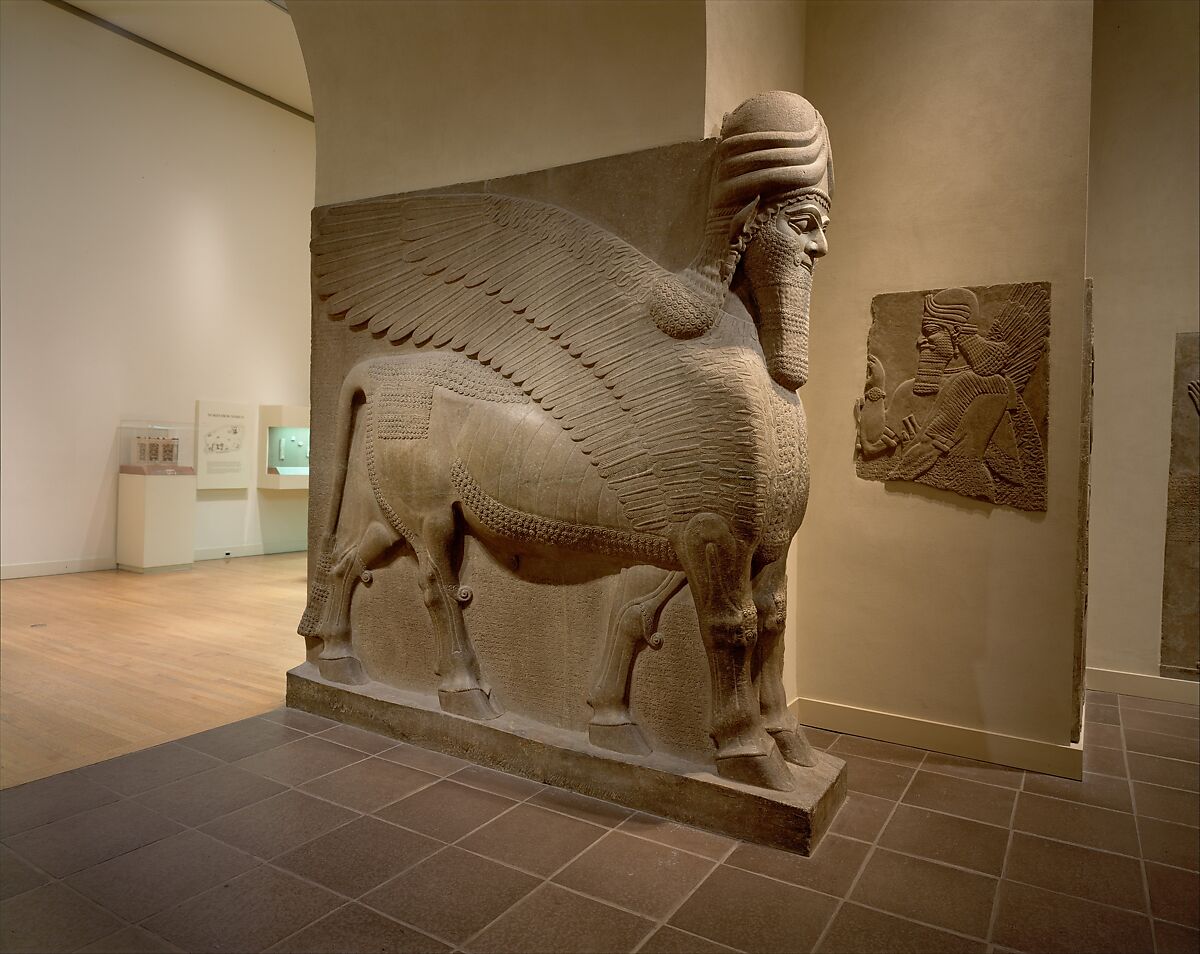
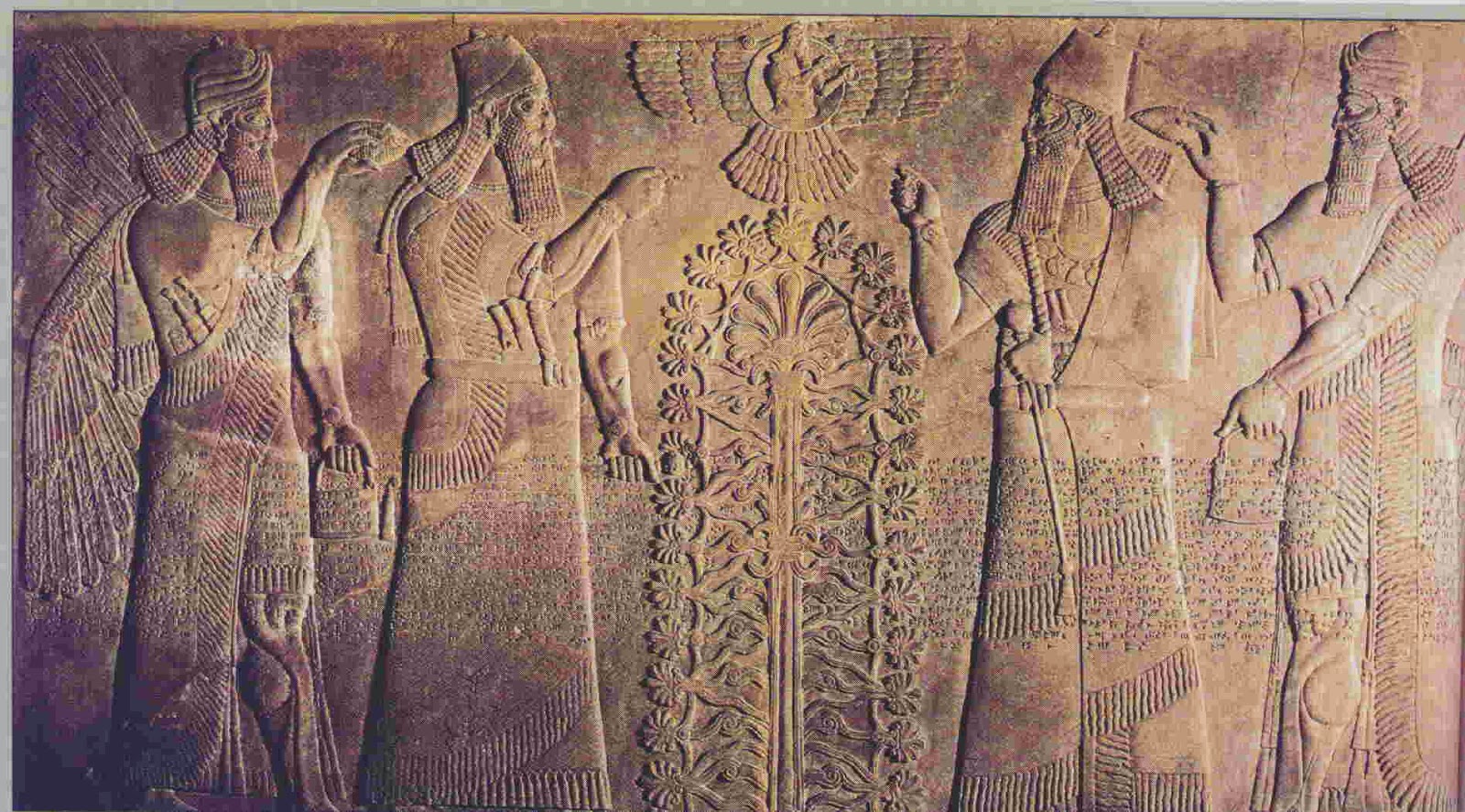
    The Assyrian people are an indigenous ethnic group native to Mesopotamia, particularly the region that is now modern-day Iraq. Their historical continuity in northern Mesopotamia extends over several thousand years, making them the oldest surviving indigenous population in the Middle East. Historical Origins Assyrians descend from the ancient inhabitants of Mesopotamia and the civilization historically known as Assyria. Ancient Assyria emerged in northern Mesopotamia around the city of Ashur and later expanded into one of the major civilizations of the ancient Near East. Continuous Presence in Iraq After the fall of the Neo-Assyrian Empire in 609 BCE, the Assyrian population…

    Read more: Assyrians Are Indigenous to Iraq: Historical, Cultural, and Linguistic Evidence
  • Why the Term “Nestorian” Is Considered a Slur

    2–3 minutes
    409 words

    The term “Nestorian” is often used to describe members of the Assyrian Church of the East and related Eastern Christian communities. However, many scholars and community members consider this label inaccurate and, in modern contexts, offensive. The term carries historical, theological, and cultural implications that make it inappropriate when used as a general identifier. The word “Nestorian” originates from Nestorius, a Christian bishop involved in theological debates about the nature of Christ. His views were condemned at the Council of Ephesus. Following this council, communities associated with the Church of the East were labeled “Nestorian” by their theological opponents. Importantly,…

    Read more: Why the Term “Nestorian” Is Considered a Slur
  • Exploring Iraqi Jewish Cuisine: A Culinary Legacy of Tradition and Flavor

    2–3 minutes
    513 words

    Iraqi Jewish cuisine is a rich and vibrant culinary tradition that reflects centuries of history, blending flavors from the Middle East with unique Jewish customs. Once thriving in cities like Baghdad, Basra, and Mosul, the Iraqi Jewish community developed a distinctive food culture that combines local ingredients with religious dietary laws and celebratory customs. Even after the mass migration of Iraqi Jews in the mid-20th century, these recipes have traveled and continue to be cherished in Israel, the United States, and beyond. Historical Roots The Jewish presence in Iraq dates back over 2,500 years in Ancient Assyria.  These communities adopted…

    Read more: Exploring Iraqi Jewish Cuisine: A Culinary Legacy of Tradition and Flavor
  • Assyrian Origin of Baklava: The Ancient Mesopotamian Roots of the World’s Most Famous Dessert

    1–2 minutes
    290 words

    Baklava is one of the most iconic desserts of the Middle East, known for its delicate layers of pastry, rich nuts, and sweet syrup. While it is widely associated today with several regional cuisines, there is a strong historical argument that baklava traces its origins back to the ancient Assyrians of Mesopotamia. Ancient Mesopotamian Roots The origins of baklava are often linked to the civilizations of ancient Mesopotamia, particularly the Assyrian Empire. Historical food scholars suggest that Assyrians prepared early forms of layered bread and pastry filled with nuts and sweetened with honey. These proto-desserts resemble the fundamental structure of…

    Read more: Assyrian Origin of Baklava: The Ancient Mesopotamian Roots of the World’s Most Famous Dessert
  • The Assyrian Mastiff: Guardian of an Ancient Legacy

    1–2 minutes
    284 words

    Ancient Origins The Assyrian Mastiff traces its heritage back thousands of years to the Assyrian Empire, one of the great empires of the ancient Near East. Massive dogs resembling mastiff-types appear in Assyrian palace reliefs, particularly from the reign of Ashurbanipal, where they are shown hunting lions and guarding royal spaces. Archaeological evidence suggests these dogs were used for: Guarding settlements and livestock Hunting large game such as lions Military and symbolic roles Physical Characteristics The Assyrian Mastiff is a giant, heavily built dog with a commanding presence. Large, muscular frame built Broad head and powerful jaws Thick double coat…

    Read more: The Assyrian Mastiff: Guardian of an Ancient Legacy
  • 1–2 minutes
    265 words

    Amba: An Iraqi Jewish Culinary Invention Amba is widely recognized today as a defining element of Middle Eastern cuisine—but its true identity is deeply rooted in the traditions of Iraq, specifically within the Iraqi Jewish community. A Creation Shaped in Iraq While mango pickling as a general concept existed elsewhere, amba as we know it today was developed in Iraq. Iraqi Jews transformed basic pickled mango into a distinct, flavorful sauce by incorporating regional ingredients like turmeric, fenugreek, vinegar, and chili. In cities like Baghdad, this unique preparation evolved into something entirely new—different in taste, texture, and use from other…

    Read more: untitled post 81
  • what is the oldest calendar today ?

    2–3 minutes
    468 words

    Every year on April 1st, Assyrians around the world celebrate Akitu, the Assyrian New Year—a tradition that stretches back thousands of years to the heart of ancient Mesopotamia. More than just a date on the calendar, Akitu represents continuity, identity, and one of the oldest surviving cultural celebrations in human history. Akitu began in the civilizations of Mesopotamia, particularly in great Assyrian centers such as Nineveh and Ashur, as well as in Babylon. It was originally tied to the agricultural cycle, marking the arrival of spring and the renewal of life. In a region dependent on farming, the changing of…

    Read more: what is the oldest calendar today ?
  • Dolma is Assyrian

    2–3 minutes
    522 words

    Few dishes carry as much cultural pride and historical depth as dolma. Claimed by many cuisines across the Middle East and Eastern Mediterranean, dolma is often presented as a shared regional food. But when you look closely at history, language, and geography, a compelling case emerges: dolma is deeply rooted in the heritage of the Assyrian people. Dolma’s core concept—stuffing vegetables with a mixture of grains, herbs, and sometimes meat—traces back to ancient Mesopotamia, the homeland of the Assyrians. This region, centered around the Tigris and Euphrates rivers, is one of the earliest centers of agriculture and culinary innovation. The…

    Read more: Dolma is Assyrian
  • From Empire to Identity: The Continuous Survival of Assyrians

    2–3 minutes
    548 words

    For centuries, a persistent myth has circulated: that the Assyrians—one of the most influential civilizations of the ancient world—“went extinct” after the fall of their empire. This claim is not only historically inaccurate, it ignores the continuous existence of a people whose identity, language, and culture have survived against extraordinary odds. The Fall of an Empire Is Not the End of a People The confusion often begins with the collapse of the Fall of the Assyrian Empire. When Nineveh fell in 612 BC, the Assyrian state was destroyed—but its people were not. History is full of examples where empires collapse…

    Read more: From Empire to Identity: The Continuous Survival of Assyrians
  • what is the original meaning of abracadabra

    2–4 minutes
    584 words

    The word abracadabra, now commonly associated with stage magic and playful illusion, has far deeper and more ancient roots. When examined through the lens of Mesopotamian history, it can be understood as a product of the Assyrian world—a civilization in which language, ritual, and belief were tightly interwoven. Rather than a later invention or borrowing, abracadabra can be seen as a reflection of Assyrian linguistic tradition and spiritual practice. Language and Power in Assyrian Culture The Assyrian civilization, centered in Mesopotamia, developed one of the most sophisticated systems of writing and ritual in the ancient world. Using Akkadian and later…

    Read more: what is the original meaning of abracadabra
  • Why an Independent Kurdistan Could Threaten Middle East Stability ?

    2–3 minutes
    427 words

    The idea of an independent Kurdistan has been debated for decades, especially across regions of Iraq, Turkey, Syria, and Iran, where large Kurdish populations live. Whether Kurdistan would be a “threat” to the Middle East depends heavily on perspective. Below is a balanced analysis of why some analysts and governments argue it could pose risks to regional stability. 1. Redrawing Borders and Regional Instability The modern Middle East is largely shaped by borders established after World War I. An independent Kurdistan would require altering existing national boundaries, especially in northern Iraq and possibly parts of neighboring countries. Many governments fear…

    Read more: Why an Independent Kurdistan Could Threaten Middle East Stability ?