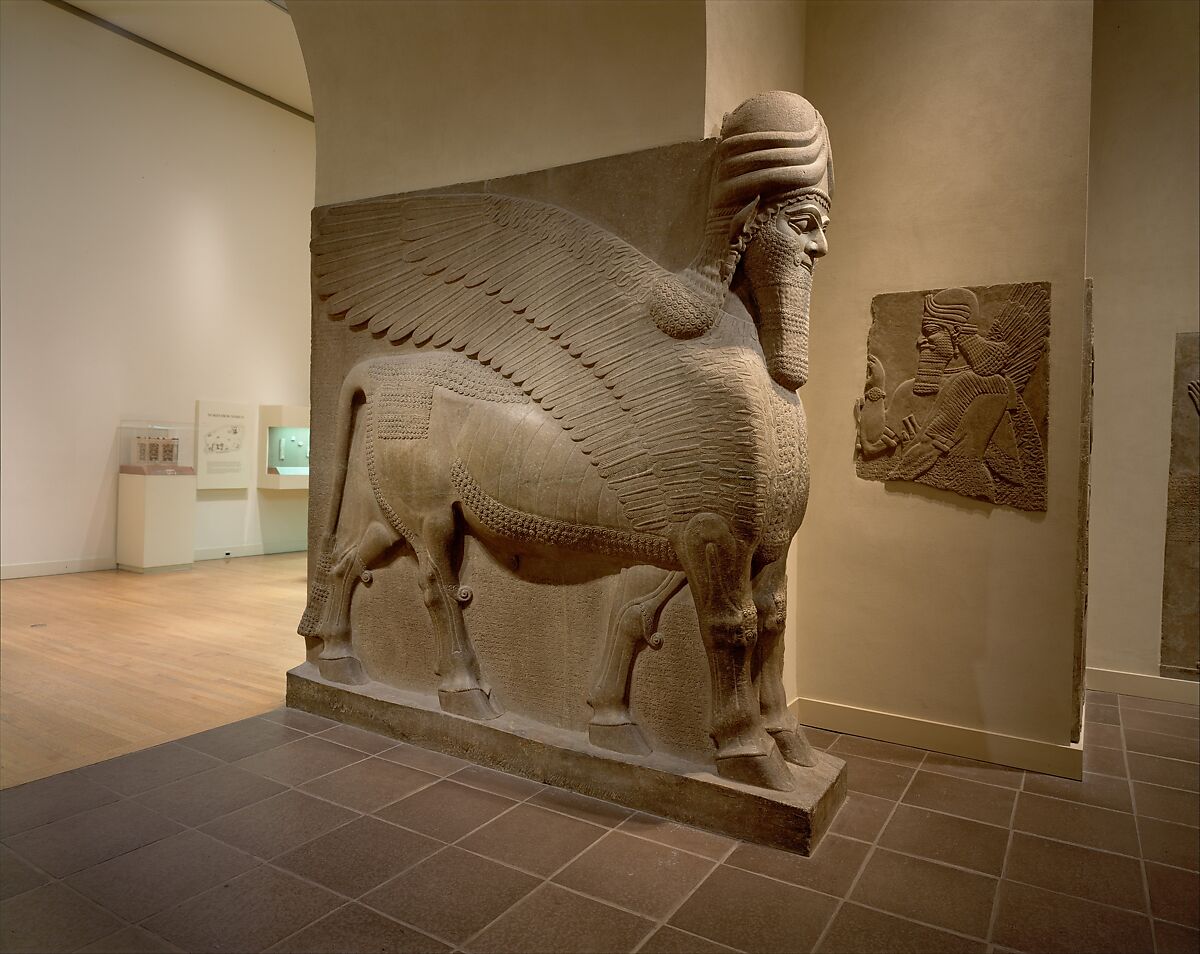
Modern day Assyrians are frequently misunderstood in Western media and academia as a mere “ethno-religious” group, defined only by their Christian faith. This framing is incomplete and, to most Assyrians themselves, inaccurate. Assyrians are an ethno-national people: a distinct nation in the sociological sense, bound together by shared ancestry, a shared homeland in Mesopotamia, a shared language, and a shared national history stretching back millennia, of which religion is only one supporting institution among several. According to the Encyclopaedia Britannica, Assyrians descend directly from the ancient inhabitants of Mesopotamia. This article explores who modern day Assyrians are, with that ethno-national identity placed at the center of the story.
Modern Day Assyrians: A Nation Rooted in Mesopotamia
Assyrians trace their ancestry to the indigenous population of ancient Mesopotamia, the region now covering parts of Iraq, southeastern Turkey, northeastern Syria, and northwestern Iran. Assyrians are widely regarded by historians and geneticists alike as the direct descendants of the ancient Mesopotamians who built the Akkadian, Sumerian, and Ancient Assyrian civilizations. This shared descent, tied to a specific ancestral homeland, is the foundation of Assyrian national identity, the same basis on which most nations, whether or not they currently possess a state, define themselves. Empires and rulers changed over the centuries, but the underlying nation persisted, adapting without dissolving.
Language as National Identity
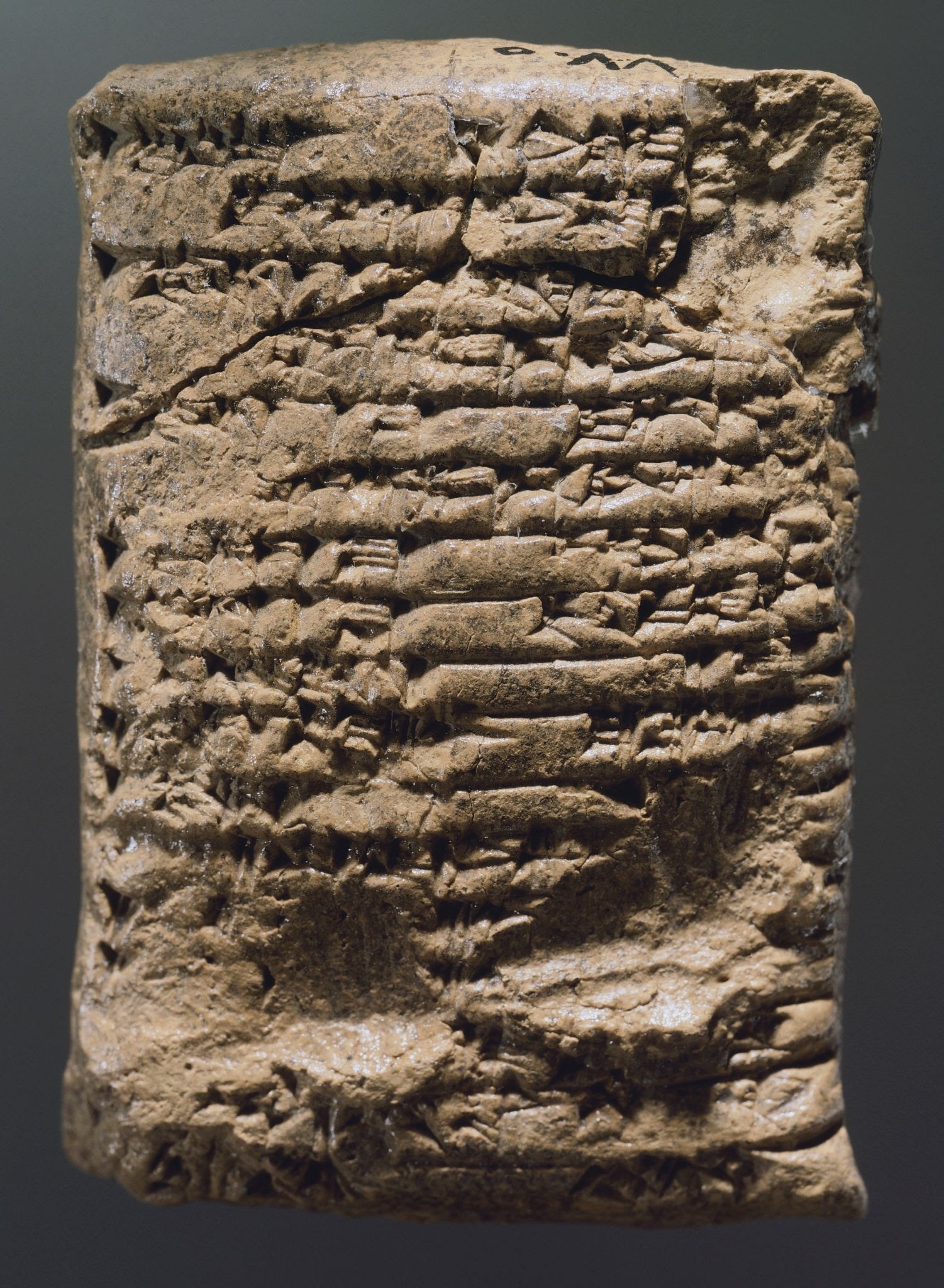
For modern day Assyrians, language is the clearest and most enduring marker of nationhood. Modern Assyrians speak dialects of Neo-Aramaic, a direct descendant of the Aramaic once used across the ancient Near East, and refer to their spoken language as Sureth Language, not creed, is what most reliably separates an Assyrian from a neighbor of a different nation who happens to share the same religion. Because Assyrians have never had a modern state of their own to standardize and protect it, the language survives today as a patchwork of regional dialects, but it remains one of the strongest living proofs of a distinct Assyrian nation.
Church as a National Institution, Not the Definition of the Nation
Assyrians were among the earliest peoples to adopt Christianity, and their communities are historically associated with churches such as the Assyrian Church of the East, the Chaldean Catholic Church, and the Syriac Orthodox Church. In the absence of a recognized state, these churches took on national as well as spiritual functions for centuries, preserving language, organizing communities, and acting as a substitute for political institutions the nation was denied. But the church was always a vehicle serving the nation, not the source of the nation’s identity. Assyrian national identity predates Christianity itself and would continue to exist independent of any single church or denomination.
A Century of Displacement
Like many stateless nations, Assyrians have suffered repeated persecution and displacement precisely because they are a distinct national group without the protection of their own state. During the First World War era, Assyrians suffered massacres and forced deportations remembered as Seyfo. Further violence and instability followed throughout the twentieth century, including tragic events in Iraq. More recently, the rise of the Islamic State in the 2010s triggered another mass exodus, as Assyrian towns on the Nineveh Plain in Iraq and villages along the Khabur River in Syria were emptied or destroyed. Each wave of violence has targeted Assyrians as a national and ethnic group, not merely as adherents of a religion.
A Global Diaspora, A Single Nation
As a result of this long history of upheaval, a majority of modern day Assyrians today live outside their ancestral homeland, with large communities in the United States, Sweden, Germany, Australia, and Canada, alongside smaller communities still holding on in Iraq, Syria, and Turkey. Despite this dispersal, diaspora Assyrians continue to organize around national institutions, including political and advocacy organizations, cultural federations, and satellite media, that explicitly frame Assyrians as a nation seeking recognition and self-determination, not simply a religious congregation seeking freedom of worship.
Assyrian, Chaldean, Syriac: One Nation, Internal Debate
Within the nation members identify primarily as Assyrian while few identify as Chaldean and Syriac often due to church affiliation. This naming debate is frequently mistaken by outsiders as evidence that the nation is only a religious group. In reality national movements and advocacy organizations within the nation argue the opposite: that Assyrians including Chaldeans and Syriacs are a single ethnic nation whose internal disagreement is over terminology and political strategy not over whether a shared nationhood exists at all.
Culture and National Continuity
National identity is reinforced through culture that has nothing to do with religious doctrine: food, music, ancient traditional dances, and the Assyrian new year celebration known as Kha b-Nisan, which is marked every spring with parades in diaspora cities around the world as an explicitly nationalistic holiday. It is not Christian religious holiday but celebration of ancient Assyria.
Looking Forward
Modern day Assyrians occupy a unique position: an ancient nation living almost entirely within the borders of other states, without a homeland of its own to protect its language or institutions. Understanding Assyrians correctly, as an ethno-national people rather than simply a religious community, matters because it shapes how their history of persecution is understood and how their claims to cultural and political rights are treated going forward. Read more stories about Assyrian identity and heritage on our homepage.