Why Assyrians Are Not Just an Ethno-Religious Group ?
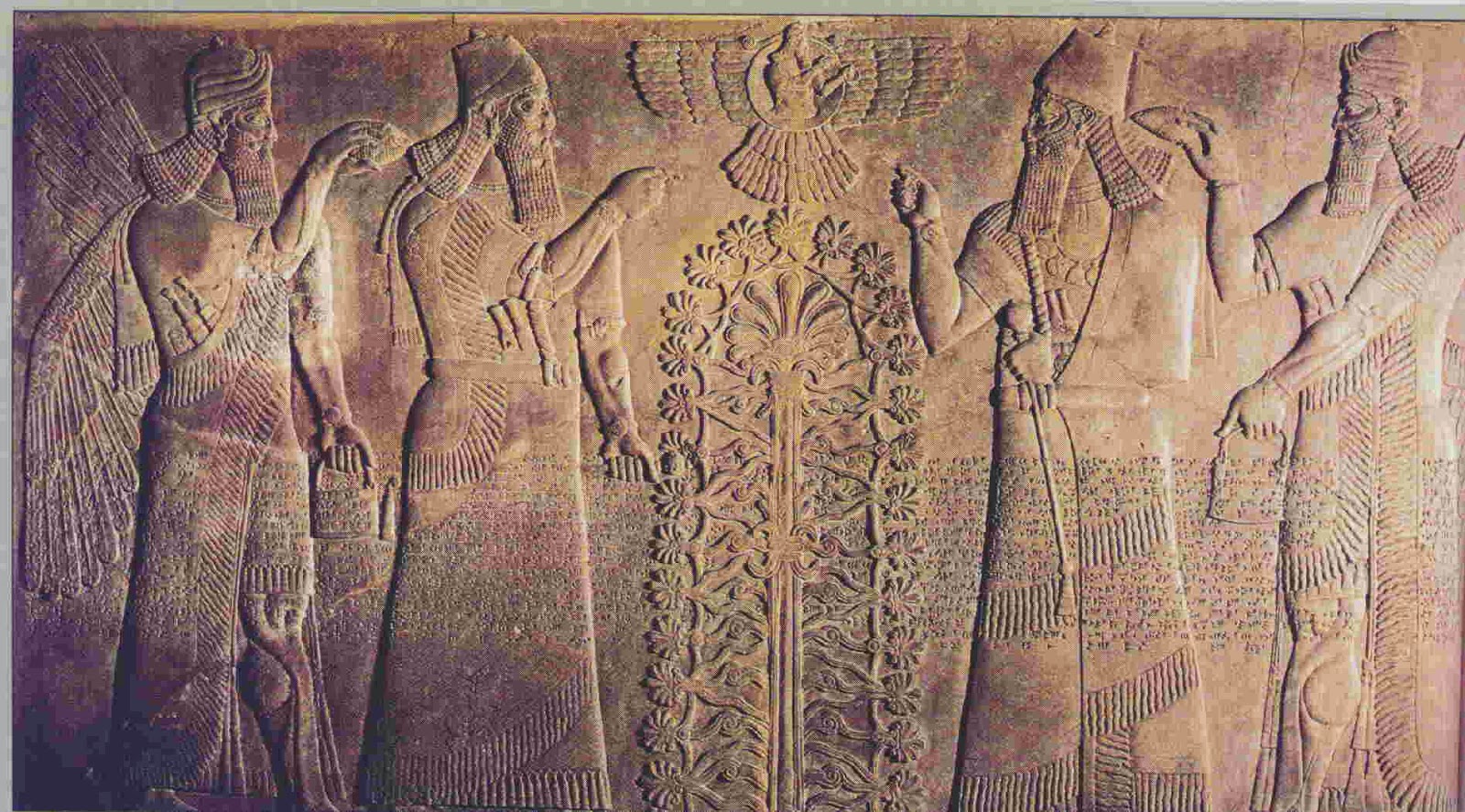
The term “Assyrian ethno-religious group” is frequently used in academic and political discourse to describe this ancient Semitic people, but the label is incomplete. Assyria- The question of whether Assyrians are exclusively an ethno-religious group or a distinct ethnic nationality that shares a religious heritage touches on complex debates in modern anthropology, history, and Middle Eastern politics. Academic analysis from university presses and international research initiatives reveals that viewing Assyrians through a purely religious lens is incomplete and historically inaccurate.
To understand why reducing Assyrians to an ethno-religious group falls short, one must examine the foundational pillars of ethnicity, linguistics, ancient lineage, and the sociopolitical implications of identity labels in their indigenous homeland of upper Mesopotamia, a continuity of identity examined further in this look at whether the Assyrians ever disappeared.
The Linguistic and Ancestral Foundation
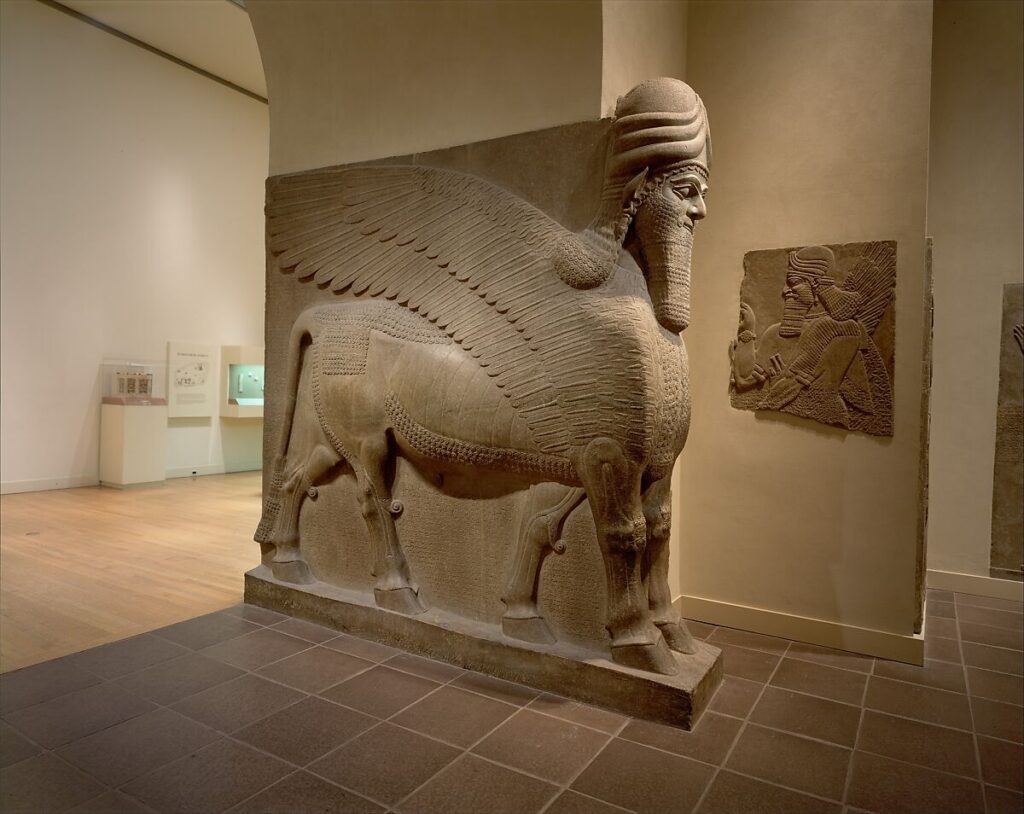
Ethnicity is fundamentally anchored in shared ancestry, historical memory, and distinct language rather than religious practice. Assyrians are a distinct Semitic people whose linguistic heritage is rooted in varieties of Neo-Aramaic. Aramaic became the lingua franca of the ancient Near East and replaced Akkadian during the Neo-Assyrian Empire.
Modern Assyrians speak dialects such as Suret and Turoyo, which are living continuations of this ancient linguistic lineage. Many Assyrians identify themselves using the endonym Suraye, a self-designation rooted in their own language rather than in any externally imposed religious category. Research compiled through interdisciplinary academic frameworks, including studies on cultural preservation published via the Melammu Project an international research initiative investigating the continuity and transformation of Mesopotamian culture—demonstrates that language functions as a primary ethnic marker transcending religious affiliation.
An Assyrian speaker from northern Iraq or the global diaspora possesses a linguistic identity that is entirely separate from surrounding ethnic groups, including Arabs, Persians, Kurds, and Turks, regardless of individual faith. Conflating this linguistic and biological lineage with a religious category mistakes the vehicle of cultural preservation for the source of identity itself.
The Pitfalls of the Assyrian Ethno-Religious Group Label
The term ethno-religious is frequently applied to groups whose religious boundaries and ethnic boundaries are identical and coterminous, such as the Yazidis or the Druze, where leaving the religion effectively means leaving the community. However, applying this label to Assyrians creates significant conceptual problems.
Christianity is a universal, global religion adhered to by billions of people across diverse racial, national, and linguistic backgrounds, spanning Europe, the Americas, Sub-Saharan Africa, and Asia. Being Christian does not inherently tie a person to a specific nation or ethnicity.
Labeling Assyrians merely as an Assyrian ethno-religious group, or simply as Christians, diminishes them from an indigenous nationality with a specific geographic homeland into a mere religious minority sect. Scholars publishing through academic avenues such as the Syracuse University Press series Perspectives on Assyrian Studies note that reducing an ancient civilization with a continuous footprint in Mesopotamia to a religious denomination effectively erases their secular history, political aspirations, and distinct cultural footprint.
Historical Evolution of the Identity
The relationship between Assyrian ethnicity and Christianity is deeply intertwined due to historical developments in the Middle East. Following the rise of Islam in the seventh century, indigenous populations of Mesopotamia who resisted Arabization and Islamization were organized under Islamic law as protected yet marginalized religious communities under the dhimmi system.
Over centuries of imperial rule under successive Islamic caliphates and empires, administrative divisions categorized populations strictly by religious millet rather than ethnic nationality. Consequently, external rulers and the community members themselves often emphasized religious affiliation for survival and communal organization.
Internal Denominational Subdivisions
The modern Assyrian population is internally divided into several distinct ecclesiastical traditions, including the Assyrian Church of the East, the Ancient Church of the East, the Chaldean Catholic Church, the Syriac Orthodox Church, and the Syriac Catholic Church. While these churches have distinct liturgies, theological histories, and in some cases separate institutional names, their members share the same ancestral bloodlines, cultural customs, and Neo-Aramaic dialects.
The existence of multiple church bodies within the same ethnic group proves that Assyrian identity is not bound to a single religious institution or dogma. Just as the Irish population encompasses multiple Christian denominations without losing its singular ethnic identity, the Assyrian nation encompasses various apostolic churches while remaining fundamentally one people.
Geopolitical Implications and Erasure
In contemporary Middle Eastern nation-states such as Iraq, Syria, Turkey, and Iran, official state ideologies often reject the concept of indigenous non-Arab or non-Turkish nationalities unless they fit neatly into pre-approved categories. As detailed in historical evaluations concerning Middle Eastern minority rights and state formation, by reducing Assyrians to a mere Assyrian ethno-religious group, state apparatuses can sidestep claims to indigenous land, cultural autonomy, and political rights protected under international frameworks like the United Nations Declaration on the Rights of Indigenous Peoples.
Treating Assyrians as a religious sect rather than an indigenous ethnic nation transforms political grievances regarding land displacement and systemic discrimination into mere questions of religious freedom, conveniently ignoring historical injustices committed against them as a distinct ethnic group.
Assyrians cannot be accurately restricted to the definition of an Assyrian ethno-religious group, because their identity is fundamentally grounded in an indigenous Mesopotamian heritage, a continuous Aramaic linguistic tradition, and a shared ancestral history that predates Christianity by millennia. While Christianity has served as an essential shield protecting their communal survival through centuries of persecution, it remains an element of their multifaceted culture rather than the definition of their ethnicity. Recognizing Assyrians as a distinct ethnic nation is vital for preserving the historical truth of the Middle East and honoring the rights of an ancient indigenous people.
Sources
-
Syracuse University Press: Perspectives on Assyrian Studies Series
- Minority Rights Group International: Assyrians