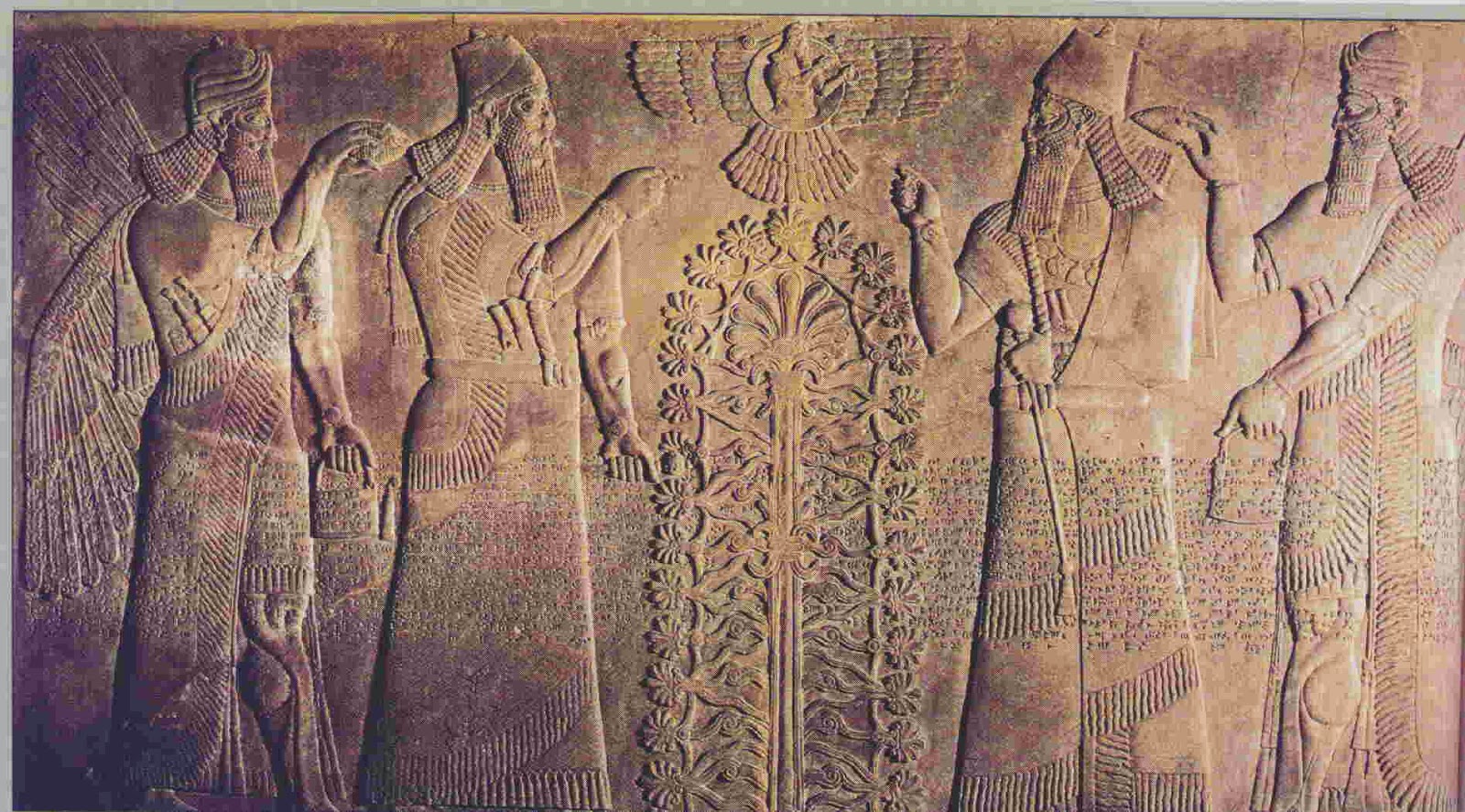
Mesopotamian values could have offered Iraq an entirely different foundation for nationhood. History is often written as a series of inevitable collisions, yet nations are frequently shaped by the ideological blueprints chosen at their birth. When modern Iraq was carved out of the collapsing Ottoman Empire after World War I, its architects and subsequent leaders faced a profound identity crisis: What binds this land together?
Why Mesopotamian Values Offer a Different Path
For much of the 20th century, the dominant answer was pan arabism an ideology that subordinated local Iraqi distinctiveness to a broader, transnational Arab brotherhood. But what if history had taken a radically different turn? What if modern Iraq had anchored its national identity not in Cairo, Damascus, or Riyadh, but in its own deep soil the ancient, pluralistic, and river-bound legacy of Ancient Assyria ? Under pan arabism, Iraqi identity was often viewed through an external lens that treated the pre-Islamic history of the region as a mere prelude, or Jahiliyya.
State rhetoric emphasized a shared Arab destiny, leading to costly regional entanglements and internal fractures. Had Iraq chosen a Mesopotamian foundation, the cultural paradigm would have looked entirely different. Instead of looking outward to the wider Arab world for validation, Iraqi nationalism would have drawn inward, celebrating Sumerian, Akkadian, Babylonian, and Assyrian achievements as direct ancestral heritage.
The national psyche would be inextricably tied to the Two Rivers—not just as geographic features, but as existential lifelines. Water management, environmental stewardship, and agrarian wisdom would have formed the core of civic mythology. Ancient Mesopotamia was defined by the synthesis of diverse peoples, languages, and city-states under a shared administrative and cultural umbrella. This could have fostered an early, indigenous framework for managing Iraq’s modern ethnic and sectarian mosaic (Kurds, Turkmen, Assyrians, Arabs, Shia, Sunni, and minorities).
Mesopotamian Values in Governance and Law
Pan-Arab regimes in Iraq, culminating in the Ba’athist era, frequently centralized power through monolithic ideologies that demanded absolute conformity, marginalizing non-Arab populations and weaponizing identity. Mesopotamian-inspired state model might have evolved differently. Mirroring the ancient city-state system of 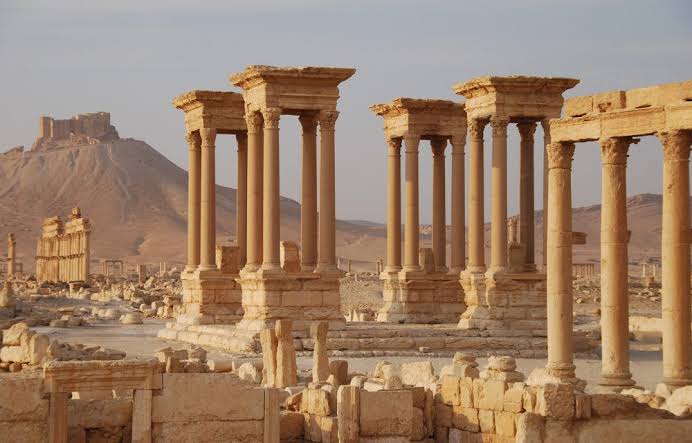 Sumer where distinct urban centers maintained autonomy while participating in a shared civilization—modern Iraq might have naturally gravitated toward a robust, cooperative federal system rather than a brittle central autocracy. Civic identity could have anchored itself heavily in notions of written law, social contract, and institutional justice rather than charismatic, populist, or sectarian strongmen. Monuments in Baghdad and across the provinces would celebrate Cuneiform alongside Islamic architecture, teaching citizens that being “Iraqi” meant carrying the weight of the world’s first cities, writing systems, and legal codes.
Diplomatic Advantages of Mesopotamian Values
Regionally, a Mesopotamia-centric Iraq would have occupied a unique diplomatic space. Pan-Arabism frequently pulled Iraq into the turbulent ideological rivalries of the Middle East, dragging the country into proxy wars and disastrous foreign adventures. By contrast, a state anchored in Mesopotamian values would likely have pursued a more independent, pragmatic foreign policy. Rather than viewing itself as a frontline state for pan-Arab causes, Iraq could have positioned itself as a distinct civilizational pole—balancing its geographic neighbors (Iran, Turkey, and the Gulf states) with a confident, self-contained cultural identity. Iraq could have leveraged its unmatched archaeological heritage as a soft-power powerhouse, turning the Tigris and Euphrates valleys into global hubs for historical preservation, education, and international tourism.
Conclusion: The Cost of Ignoring Mesopotamian Values
While history cannot be rewritten, exploring the “what if” of a Mesopotamian Iraq highlights the heavy cost of ideological misalignments. Pan-Arabism ultimately proved too fragile and exclusionary to contain Iraq’s complex internal realities. Had modern Iraq chosen to look into the mirror of its deepest history rather than scanning the horizon for external ideologies, it might have found a more resilient, inclusive, and enduring foundation for nation-building.
Iraq would not have needed to ask its citizens to become less of who they were in order to become Iraqi.