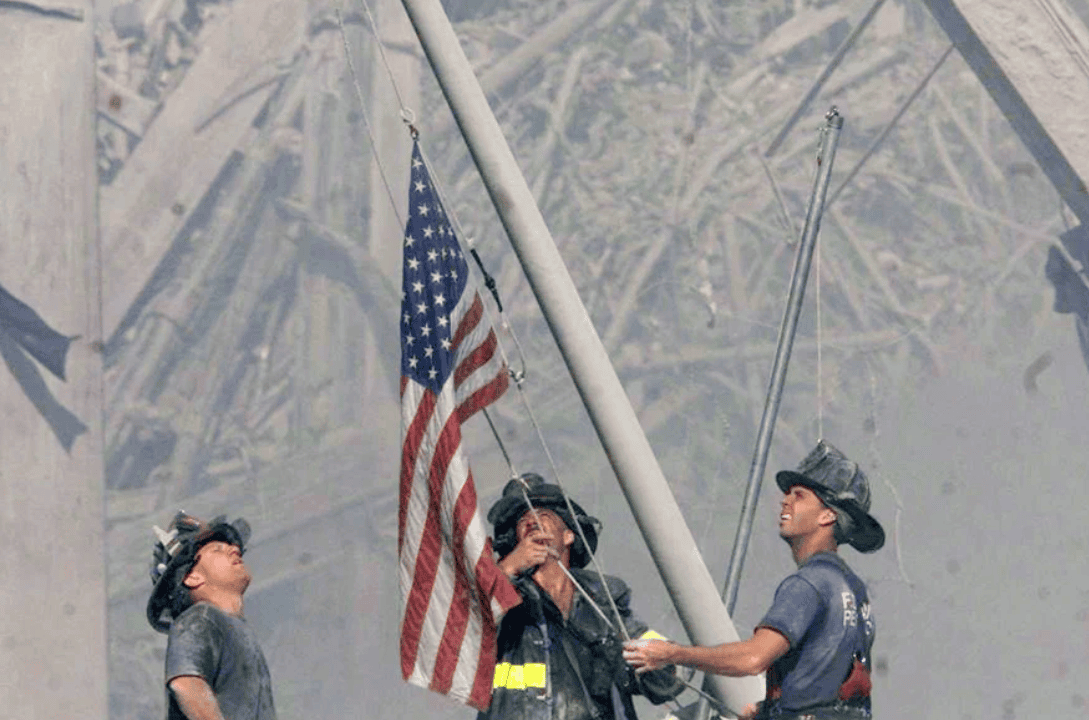
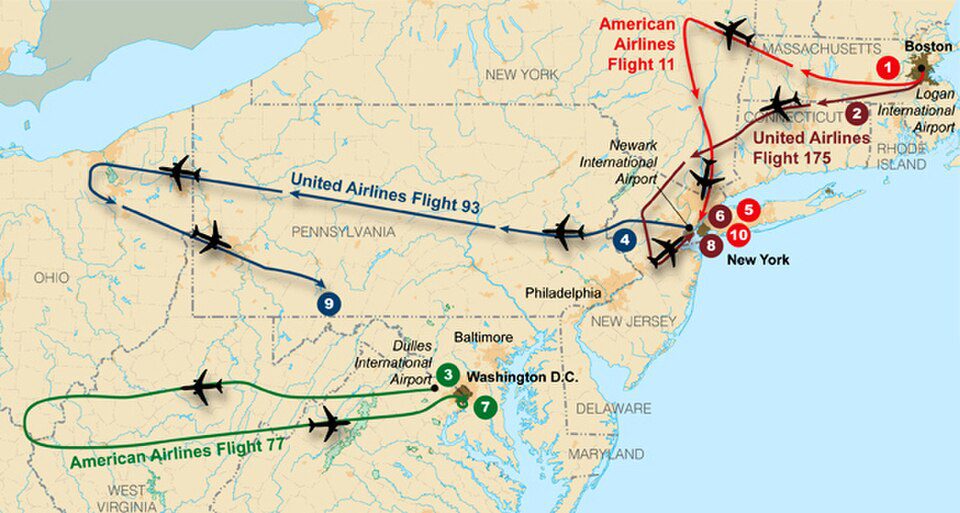
September 11, 2001, remains the darkest day in modern American history. The coordinated terrorist attacks that brought down the Twin Towers, struck the Pentagon, and forced United Flight 93 into a Pennsylvania field claimed nearly 3,000 innocent lives and shattered the illusion of American invulnerability. In the immediate aftermath, adversaries predicted the collapse of the American spirit and the retreat of global democracy. Yet, looking back, the overarching narrative of the post-9/11 era is not one of terminal decline, but of extraordinary national resilience.
America continues to “win”not merely through military might, but through an institutional, cultural, and technological capacity to adapt, outlast, and overcome.
Before 9/11, the primary vulnerability of the United States was a failure of imagination and a systemic inability to “connect the dots” across fragmented government agencies. Domestic law enforcement and foreign intelligence operated in separate silos. America’s response was a massive, painful, yet ultimately successful structural reorganization. The creation of the Department of Homeland Security, the Office of the Director of National Intelligence, and the National Counterterrorism Center dismantled bureaucratic walls. National defense was transformed into a shared enterprise where local, state, and federal agencies coordinate seamlessly to intercept threats before they materialize. This architecture of prevention has successfully thwarted countless domestic plots over the past quarter-century.
Crises often serve as the ultimate stress test for an economy and industrial base. While adversaries sought to cripple American capitalism by striking Wall Street, the U.S. economy demonstrated a ferocious capacity to rebound, innovate, and dominate. The post-9/11 decades coincided with the explosive rise of the digital revolution, cloud computing, artificial intelligence, and biotechnology predominantly engineered by American firms. Furthermore, the defense sector adapted, pioneering precision-guided technology, cybersecurity defenses, and unmanned systems that revolutionized global security. America’s true competitive edge has always been its free-market engine, which consistently out-innovates rigid, state-controlled rivals. Terrorism seeks to change the behavior of free societies through intimidation, forcing citizens to cede their liberties and live in permanent terror. On this front, the terrorists fundamentally failed. Despite strict new security measures, Americans refused to abandon their open society, diverse communities, or democratic principles. The enduring power of the U.S. Constitution and the rule of law proved stronger than any transient threat. Time and again, from public spaces to democratic elections, the American public has demonstrated that freedom and resilience are permanent features of the national character, whereas fear is fleeting.
To “win” in the context of 2001’s legacy is not about endless war; it is about preservation, adaptation, and moral clarity. The ultimate victory of the United States lies in its capacity to look back at the devastation of 9/11, honor the heroes and victims, and emerge with a society that is fundamentally more vigilant, technologically advanced, and unyielding in its defense of liberty. As the threat landscape shifts toward new digital and geopolitical frontiers, America carries forward the hard-earned lessons of resilience—proving that open, democratic societies possess an unmatched capacity to renew themselves from within.
America Always wins