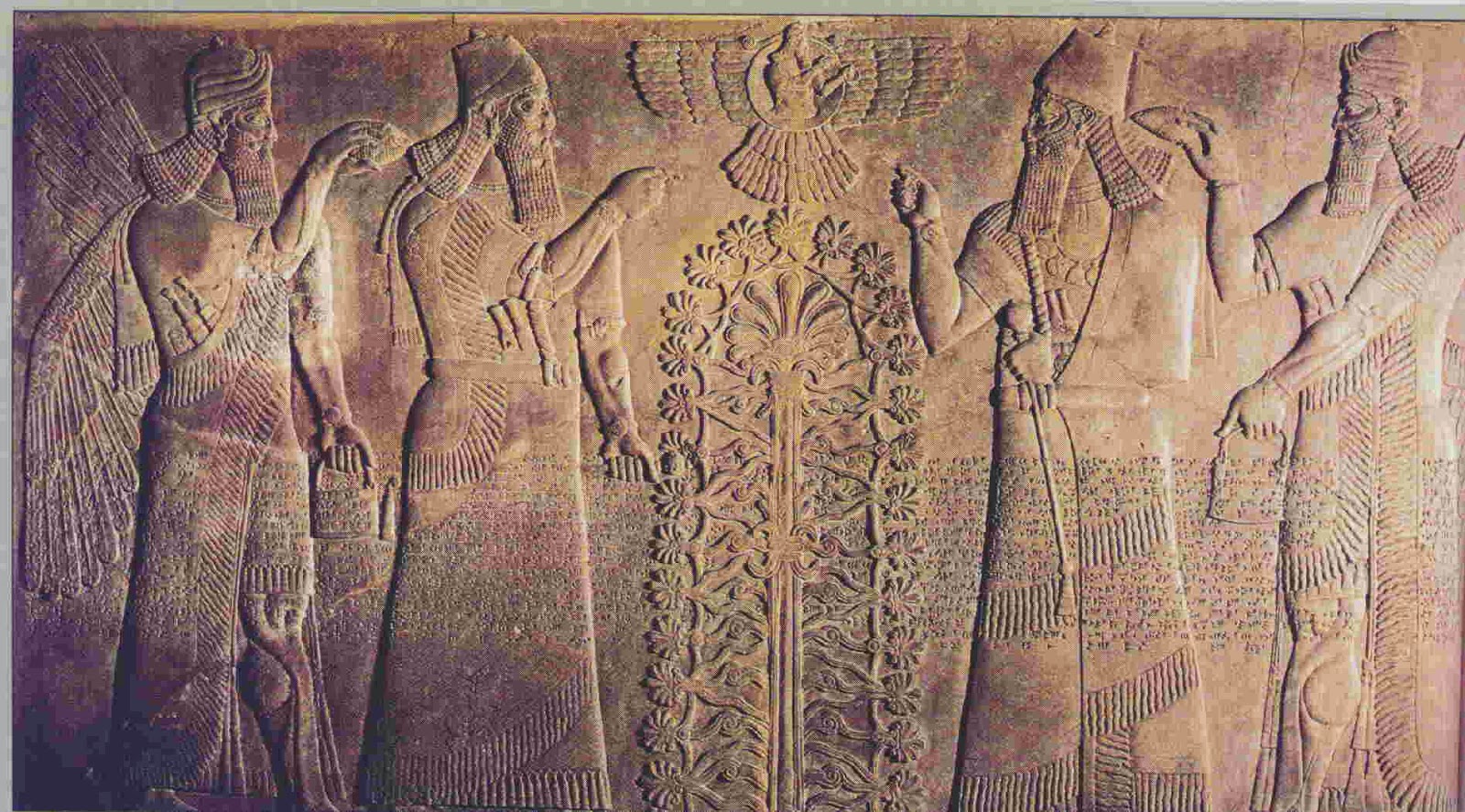
The word abracadabra, now commonly associated with stage magic and playful illusion, has a genuinely old history, though its exact origin is still debated by linguists and historians. One long-standing theory links the word to Aramaic, a language spoken widely across the ancient Near East, including within the Assyrian Empire. That theory remains unproven, however, and other researchers have proposed Hebrew, Greek, or even purely invented origins instead.
Language and Ritual in the Ancient Near East
Mesopotamian civilizations, including the Assyrians, developed rich traditions of incantation and ritual speech. Using Akkadian and later Aramaic, scribes and healers recorded prayers and healing formulas on clay tablets, reflecting a broader ancient Near Eastern belief that spoken words could carry protective or curative power.
This cultural backdrop is often cited by those who favor an Aramaic origin for abracadabra. It’s worth noting, though, that Aramaic was spoken by many peoples across the ancient Near East, not only Assyrians, which makes attributing the word specifically to Assyrian culture difficult to establish with certainty.
A Disputed Etymology
One popular but unverified theory holds that abracadabra derives from an Aramaic phrase sometimes rendered as “avra kedavra,” loosely translated as something like “I will create as I speak.” This interpretation is widely repeated online but is not firmly established in peer-reviewed historical linguistics, and no ancient inscription directly attests to it.
The earliest confirmed written appearance of the word is in a 2nd-century Latin medical poem, Liber Medicinalis, by the Roman physician Quintus Serenus Sammonicus, who recommended writing the word in a diminishing triangular pattern and wearing it as an amulet to help cure illness. Even at that point, its origin and meaning were already treated as obscure.
From Sacred Formula to Modern Phrase
Over the centuries, as the word passed through medieval and early modern medical and magical traditions, its documented use shifted from a healing charm to the theatrical exclamation familiar today. Because written evidence connecting it to any specific ancient Near Eastern language is limited, most historians and etymologists describe the ultimate origin of abracadabra as unresolved rather than definitively traced to a single ancient civilization.
What can be said with more confidence is that the broader ancient Near Eastern tradition of incantation, repetition, and ritual language, practiced across Assyrian, Babylonian, and other Mesopotamian cultures, reflects the same underlying belief in the power of spoken words that later shaped how abracadabra was used as a healing charm in antiquity.
Sources & Further Reading
- Serenus Sammonicus, Quintus. Liber Medicinalis (2nd century CE).
- Oxford English Dictionary, entry: “abracadabra.”
- Skeat, Walter W. An Etymological Dictionary of the English Language.
Our editorial team researches, writes, and reviews all content published on Life of Assyrian.