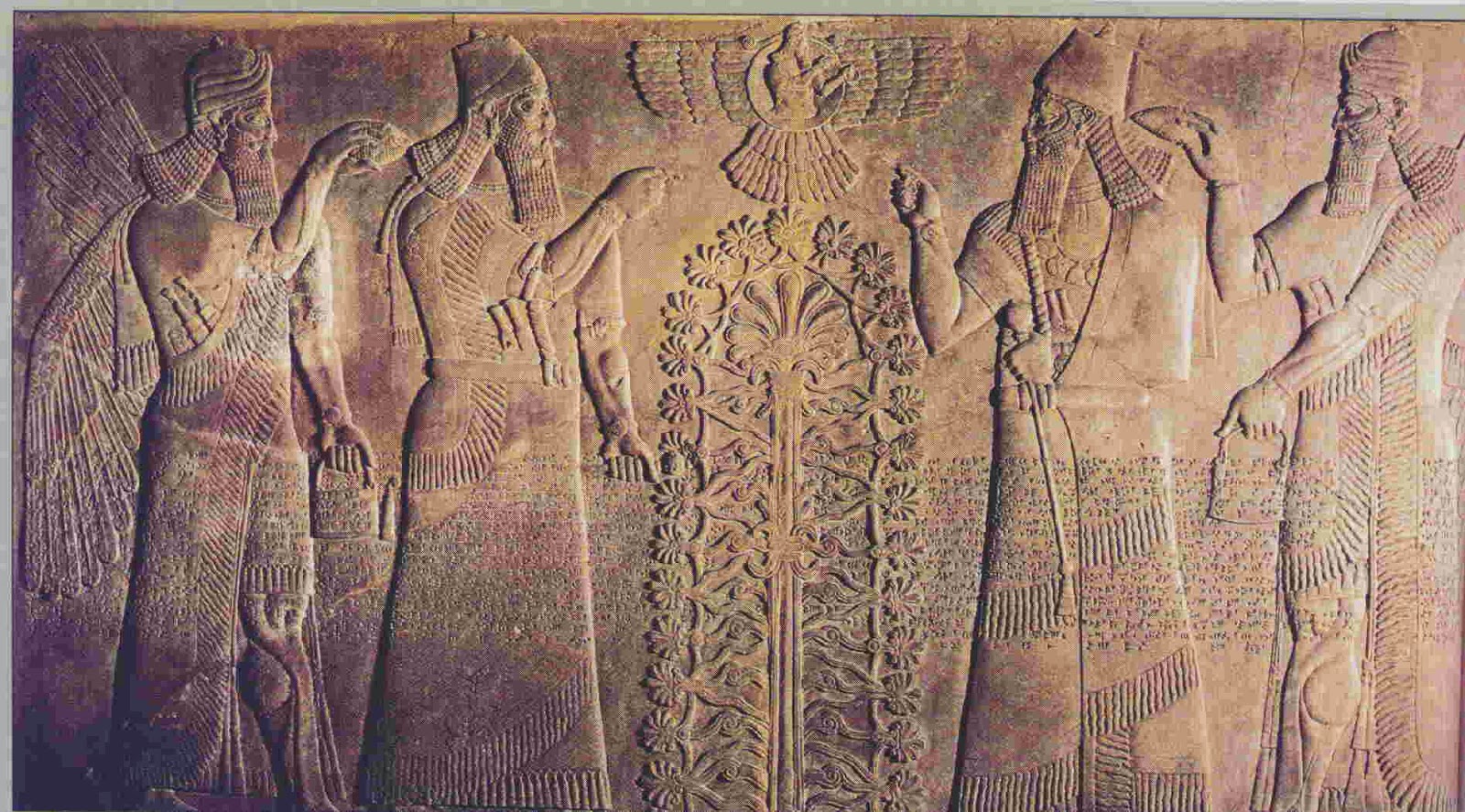
For a stateless indigenous nation, survival depends on the ability to organize, unify, and build secular democratic institutions that can advocate for collective rights on the global stage. Yet, one of the most persistent internal roadblocks to Assyrian political progress is the active intervention of church hierarchies in secular and national affairs. When religious institutions step outside their spiritual mandate to act as political brokers, they frequently subvert the broader national interest. To understand why churches must stop meddling in Assyrian political interests, one must examine how this dynamic actively blocks progress.
Historically, when state structures collapsed in the Middle East, church patriarchs and clergy stepped into leadership vacuums to protect their flocks. However, preserving a community spiritually is fundamentally different from negotiating geopolitical rights, land ownership, and constitutional autonomy. When church leaders issue explicit political positions, endorse specific factions, or attempt to regulate national representation, they reduce a secular, political struggle for indigenous rights into a narrow “religious minority” issue. Governments in Baghdad, Erbil, or Damascus prefer dealing with compliant clergy because churches rarely demand systemic political autonomy or territorial rights, opting instead for charitable handouts and symbolic recognition. The Assyrian nation is already fractured across historic ecclesiastical lines—including the Assyrian Church of the East, the Chaldean Catholic Church, and the Syriac Orthodox Church. Instead of bridging these divisions, church hierarchies often reinforce them to protect their own institutional power bases and influence. When each church attempts to form its own sphere of influence or acts as a separate political entity, it prevents the formation of a unified, pan-Assyrian national front. True national progress requires a unified identity that transcends church walls; institutional church meddling keeps the nation permanently divided.
Regional governments frequently use financial patronage, pressure, or political leverage to influence church leaders. In exchange for protecting church assets or securing minor concessions, religious elites have historically been co-opted into dampening nationalist aspirations, discouraging grassroots activism, or silencing secular voices that challenge the status quo. In any advancing society, political movements must be held accountable by the people through transparent, democratic processes. When the church nationalizes representation, dissent is often treated not as a political disagreement, but as a form of insubordination or disrespect against religious authority. This dynamic stifles young intellectuals, civic leaders, and secular political parties from building modern, independent institutions capable of holding leaders accountable. Religion and faith have undeniably been vital anchors that helped Assyrians preserve their identity through centuries of persecution in the diaspora and the homeland. But preserving an identity in a church pew is not the same as securing a nation on its indigenous land.
The church must return exclusively to spiritual care, moral guidance, and cultural preservation, leaving political representation, civil rights, and national strategy to secular, democratic, and accountable institutions.
Modern Assyrians living in Western diasporas operate within democratic, secular societies where accountability, transparency, and civic participation are standard expectations. When diaspora youth see church institutions acting as heavy-handed political gatekeepers often prioritizing clerical politics or foreign state appeasement over grassroots human rights they frequently become disillusioned. This disconnect drives younger generations away from formal community structures entirely, draining the nation of the vital intellectual, financial, and legal talent needed to lobby foreign governments and international bodies like the United Nations.
If the Assyrian cause is to advance in the modern era, a firm and unambiguous boundary must be drawn. Nationalistic Interests and Religion must not mix as its conflict of interests.