-
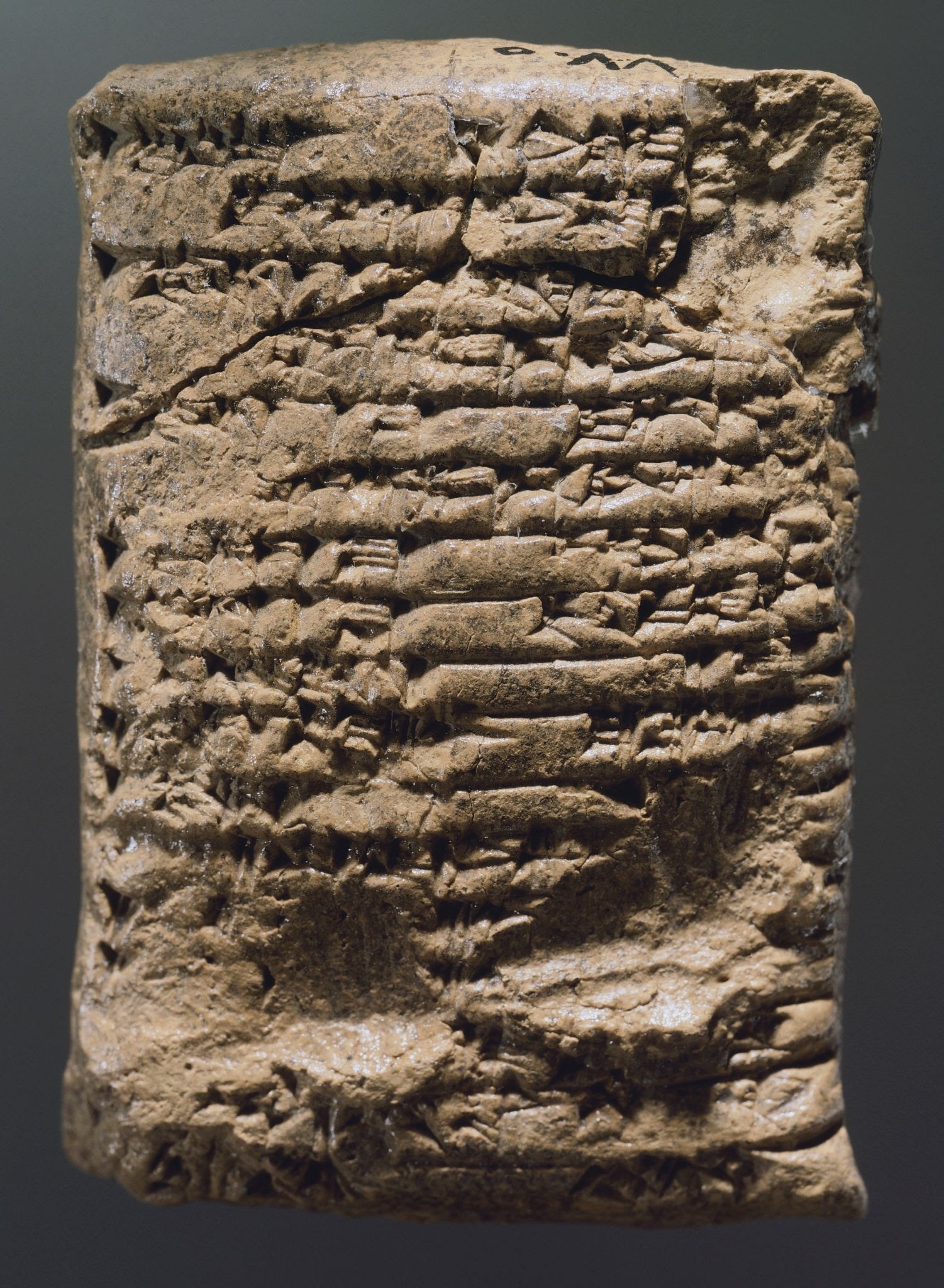
Why Date Syrup Is Assyrian: The 4,000-Year Heritage of Nature’s Sweetener
When you drizzle liquid gold over pancakes or stir date syrup into a morning brew, you aren’t just using a trend-forward natural sweetener—you are participating in a culinary tradition that spans over four millennia. While known by various regional names across the Middle East today—such as dibs or silan—the historical roots of date syrup…
-

The Holocaust: Debunking Denialism with Primary Evidence
The Holocaust is the most meticulously documented genocide in human history. The claim that it was fabricated requires believing in a impossible logistical miracle: that thousands of Nazi officers, millions of survivors, Allied soldiers, independent photojournalists, aerial reconnaissance crews, and internal German municipal agencies simultaneously faked millions of pages of paperwork, photos, blueprints, and…
-
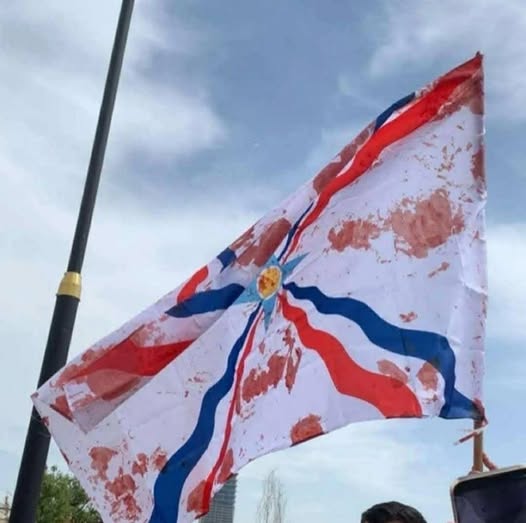
The Master Bibliography of Assyrian Continuity: 100 Foundational Sources Supporting Indisputable Historical, Genetic, and Linguistic Lineage
In academic, historical, and geopolitical discourses regarding the Near East, few subjects are as rigorously documented yet frequently debated as Assyrian continuity. Critics and revisionist narratives occasionally attempt to frame modern Assyrian identity as a modern construct. However, an overwhelming body of empirical literature—spanning archaeogenetics, Assyriology, post-imperial ecclesiastical history, and historical linguistics—proves that contemporary…
-
The Eternal Thread: Unbroken History, Genetics, and the Truth of Assyrian Continuity
Few topics in Near Eastern history evoke as much passion, academic inquiry, and identity politics as the concept of Assyrian continuity. The narrative asks a fundamental question: Are contemporary self-identified Assyrians the direct biological, cultural, and linguistic descendants of the ancient Assyrian Empire that dominated Mesopotamia from the Bronze Age until the fall of…
-

The Genesis of an Ethnie: Why Kurdish Identity Would Not Exist Without Islam and the Ottoman Empire
In standard nationalist historiography, ethnic groups are frequently projected backward into antiquity as immutable, primordial communities. However, modern historical sociology and constructivist theories of ethnicity—drawing upon frameworks established by scholars like Fredrik Barth and Eric Hobsbawm—demonstrate that ethnic identities do not emerge in a vacuum; they are forged through specific historical, religious, and political…
-
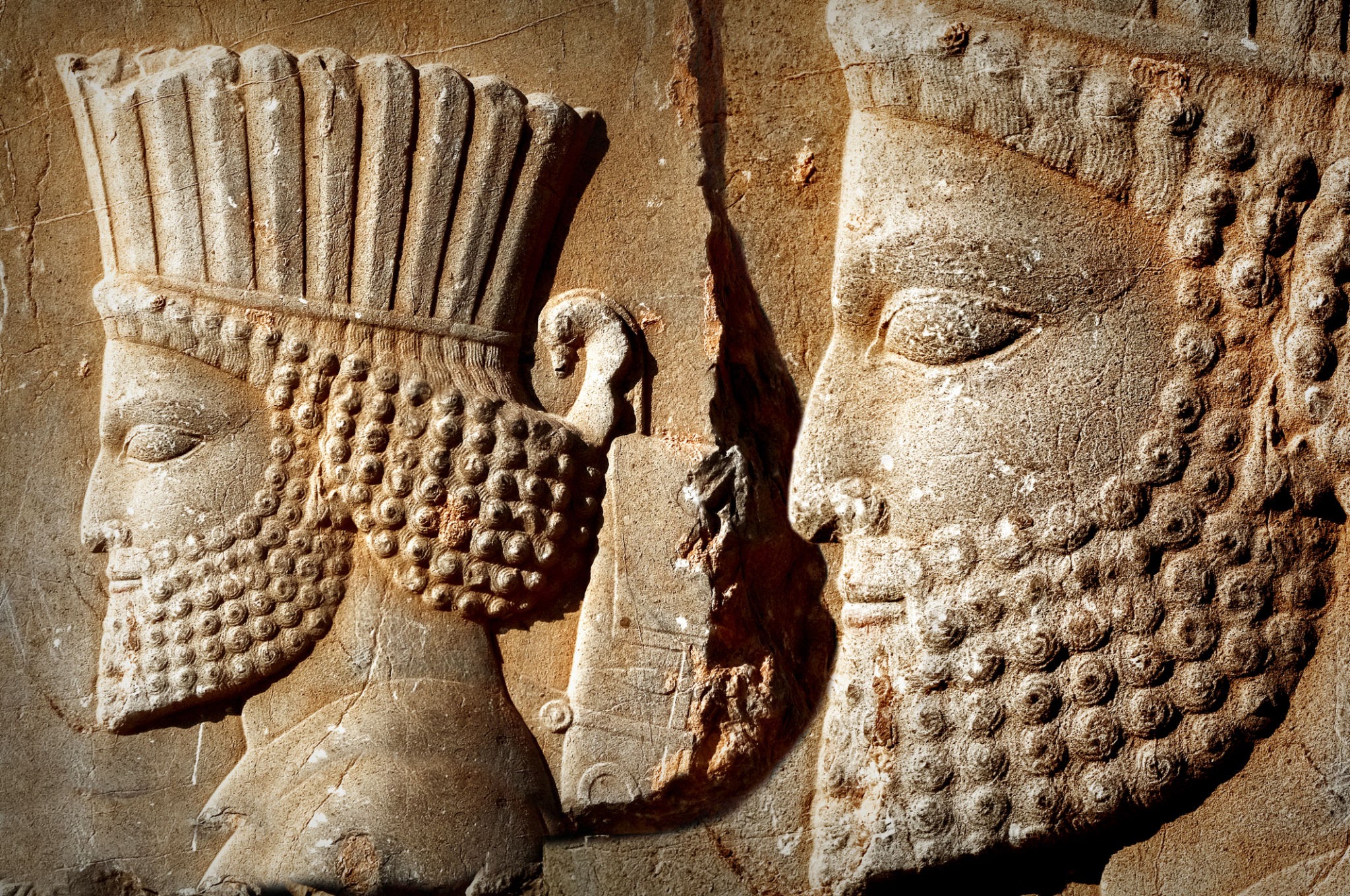
Are Kurds Medes? Historiographical, Linguistic, and Genetic Debates
Are Kurds Medes? Historiographical, Linguistic, and Genetic Debates The proposition that the modern Kurdish people are direct linear descendants of the ancient Medes is a prominent thesis in 20th-century national narratives across the Middle East. However, within contemporary Near Eastern studies, comparative philology, and historical genetics, the identification of Kurds as Medes is recognized…
-
Assyrian Continuity: Debunking the Modern Revisionist Invention Myth
The claim that modern Assyrian identity was invented by 19th-century British missionaries is contradicted by pre-colonial historical documents, modern historical linguistics, and peer-reviewed population genetics. Primary evidence—including 16th-century Vatican records referencing Patriarchae Assyriorum, the 8th-century BCE Çineköy Inscription linking “Syria” directly to “Assyria”, post-fall administrative continuity in Achaemenid Athura, and modern archaeogenetics—proves uninterrupted continuity…
-
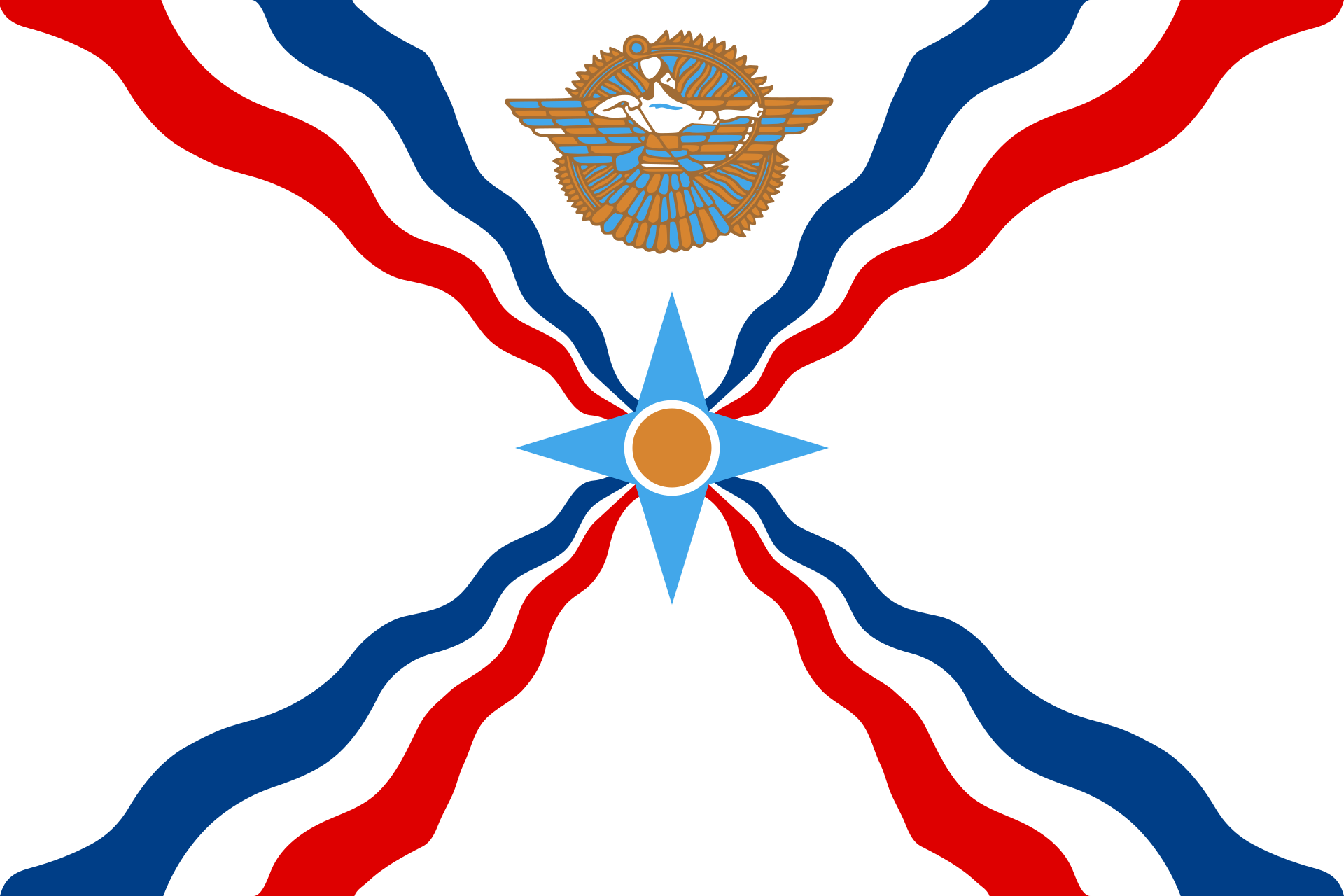
Assyrians Are Indigenous to Iraq: Historical, Cultural, and Linguistic Evidence
The Assyrian people are an indigenous ethnic group native to Mesopotamia, particularly the region that is now modern-day Iraq. Their historical continuity in northern Mesopotamia extends over several thousand years, making them the oldest surviving indigenous population in the Middle East. Historical Origins Assyrians descend from the ancient inhabitants of Mesopotamia and the civilization…
-
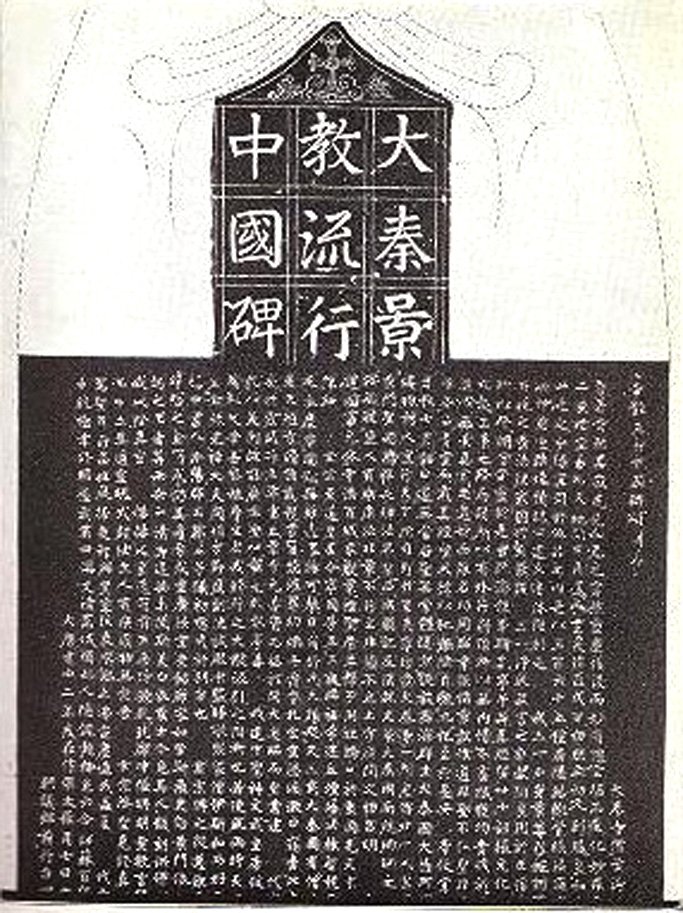
Why the Term “Nestorian” Is Considered a Slur
The term “Nestorian” is often used to describe members of the Assyrian Church of the East and related Eastern Christian communities. However, many scholars and community members consider this label inaccurate and, in modern contexts, offensive. The term carries historical, theological, and cultural implications that make it inappropriate when used as a general identifier.…
-

Exploring Iraqi Jewish Cuisine: A Culinary Legacy of Tradition and Flavor
Iraqi Jewish cuisine is a rich and vibrant culinary tradition that reflects centuries of history, blending flavors from the Middle East with unique Jewish customs. Once thriving in cities like Baghdad, Basra, and Mosul, the Iraqi Jewish community developed a distinctive food culture that combines local ingredients with religious dietary laws and celebratory customs.…