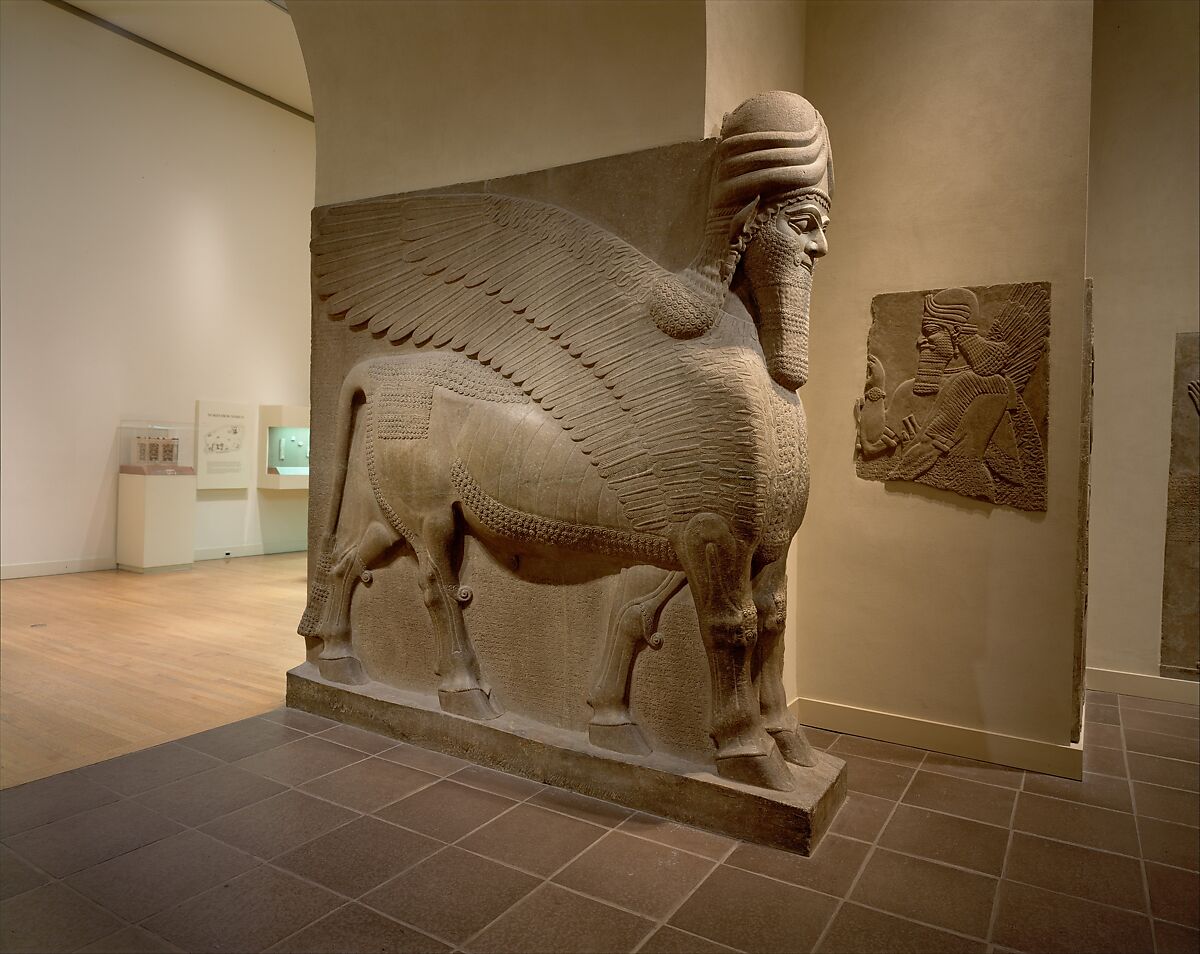
For centuries, a persistent myth has circulated: that the Assyrians—one of the most influential civilizations of the ancient world—“went extinct” after the fall of their empire. This claim is not only historically inaccurate, it ignores the continuous existence of a people whose identity, language, and culture have survived against extraordinary odds.
The Fall of an Empire Is Not the End of a People
The confusion often begins with the collapse of the Fall of the Assyrian Empire. When Nineveh fell in 612 BC, the Assyrian state was destroyed—but its people were not.
History is full of examples where empires collapse but populations remain:
- The Roman Empire fell, yet Italians exist.
- Ancient Egypt ended, yet Egyptians remain.
The same applies to Assyrians. Political power disappeared; the population endured.
Continuous Presence in Mesopotamia
Assyrians never left their homeland in Beth Nahrain. Archaeological records, historical texts, and later religious documents all confirm a continuous Assyrian presence in the region for over 2,600 years after the empire’s fall. Classical writers like Strabo and Pliny the Elder still referred to Assyrians centuries after the empire collapsed. This alone dismantles the idea of sudden disappearance.
Survival Through Identity and Faith
One of the strongest reasons Assyrians survived is their transformation—not extinction.
After the spread of Christianity, Assyrians became some of the earliest followers. Institutions like the Church of the East played a crucial role in preserving:
- Language (Aramaic dialects, today known as Sureth)
- Literature and manuscripts
- Cultural identity
Rather than disappearing, Assyrians adapted while maintaining continuity.
The Language Never Died
Modern Assyrians still speak dialects of Aramaic—the same language family spoken in ancient Mesopotamia. This linguistic continuity is one of the clearest proofs of survival.
Languages don’t survive without people. The existence of Neo-Aramaic today directly contradicts claims of extinction.
Where the “Extinction” Myth Comes From
So why do people claim Assyrians disappeared?
1. Confusion Between Empire and Ethnicity
Many assume that because the empire ended, the people must have vanished. This is a basic misunderstanding of history.
2. Political Narratives
In some cases, denying Assyrian continuity serves modern political agendas—especially in regions where indigenous identity challenges national narratives.
3. Mislabeling and Renaming
Throughout history, Assyrians were often labeled under different names:
- “Syriacs”
- “Chaldeans”
- “Nestorians”
These labels sometimes obscured their unified ethnic identity, creating confusion for outsiders.
Historical Persecution, Not Extinction
Assyrians didn’t disappear—they endured.
Events like the Assyrian Genocide during World War I devastated the population, killing hundreds of thousands and displacing many more. Yet even this catastrophe did not erase them.
Survival after repeated persecution is not extinction—it is resilience.
A Living People Today
Today, millions of Assyrians live around the world, with communities in:
- Iraq
- Syria
- Turkey
- The United States
- Europe and Australia
They continue to celebrate their heritage, language, and traditions—clear evidence of an unbroken identity.
The idea that Assyrians “went extinct” is not supported by history, linguistics, or reality. It is a myth built on misunderstanding and, at times, deliberate distortion.
Assyrians did not disappear when their empire fell. They adapted, endured, and survived—through conquest, persecution, and diaspora.
A people who still speak their language, practice their traditions, and identify as Assyrian today are not relics of the past.
They are living proof that history does not end with the fall of an empire.
Leave a Reply