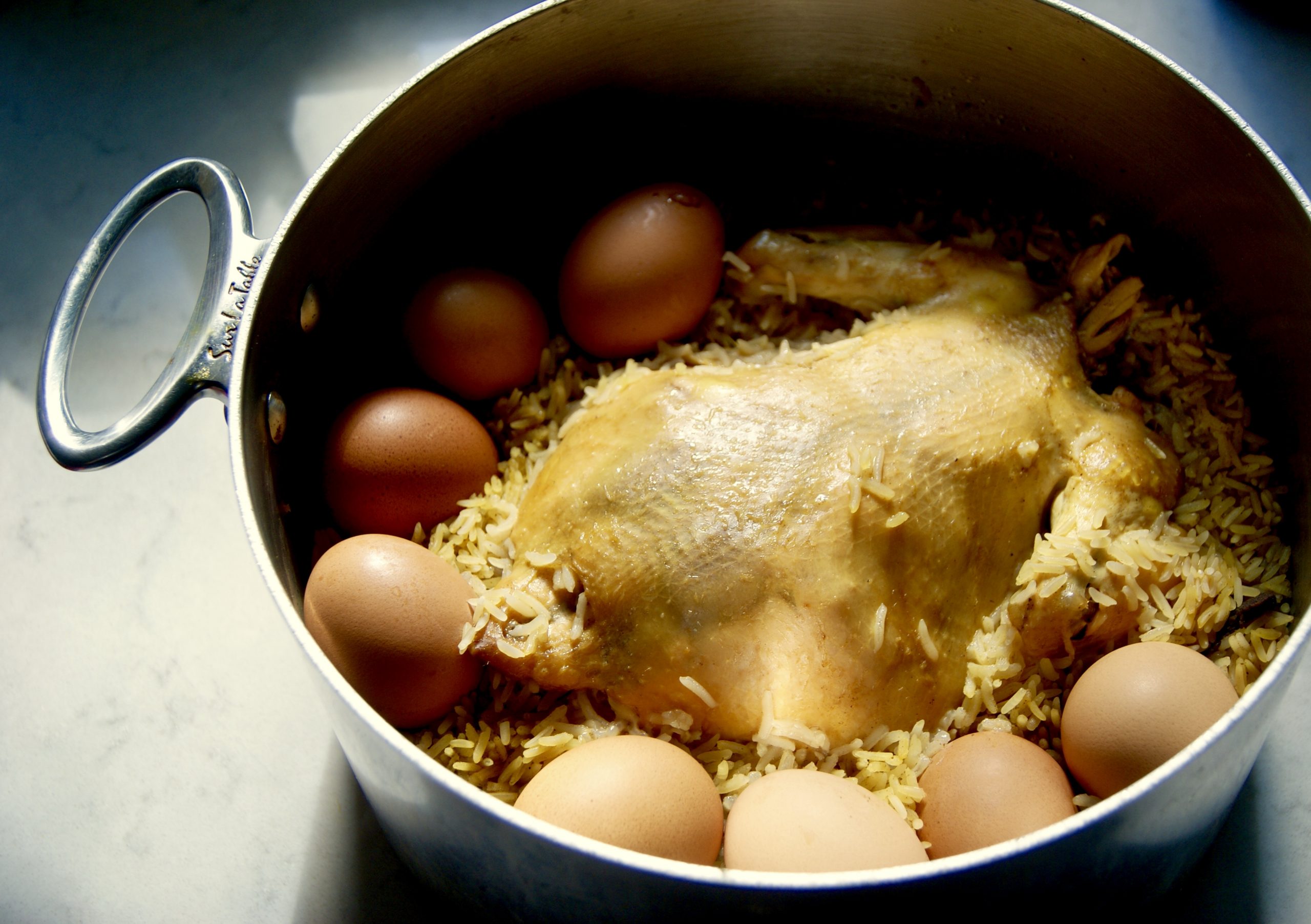
Iraqi Jewish cuisine is a rich and vibrant culinary tradition that reflects centuries of history, blending flavors from the Middle East with unique Jewish customs. Once thriving in cities like Baghdad, Basra, and Mosul, the Iraqi Jewish community developed a distinctive food culture that combines local ingredients with religious dietary laws and celebratory customs. Even after the mass migration of Iraqi Jews in the mid-20th century, these recipes have traveled and continue to be cherished in Israel, the United States, and beyond.
Historical Roots
The Jewish presence in Iraq dates back over 2,500 years in Ancient Assyria. These communities adopted and adapted local ingredients, creating dishes that were both kosher and reflective of Iraqi tastes. Ingredients such as rice, lamb, chickpeas, eggplant, and a variety of spices—cumin, turmeric, cinnamon, and cardamom—form the backbone of Iraqi Jewish cooking.
Signature Dishes
- Kubbeh (Kubeh or Kibbeh)
Kubbeh is a staple dish in Iraqi Jewish cuisine. These are semolina dumplings stuffed with spiced ground meat, onions, and sometimes nuts, often cooked in rich soups like kubbeh hamusta, a tangy and sour broth made with lemon or tamarind. - Tashreeb
A hearty stew served over torn pieces of flatbread, tashreeb combines slow-cooked meat, chickpeas, vegetables, and aromatic spices. It’s traditionally eaten during Shabbat or family gatherings and is known for its warming, comforting flavors. - Dolma
Vegetables such as grape leaves, zucchinis, and eggplants are stuffed with a mixture of rice, herbs, and sometimes minced meat. The Iraqi Jewish version often emphasizes sweet-and-sour flavors, incorporating ingredients like raisins or tamarind for balance. - Bamia (Okra Stew)
Bamia is a slow-cooked okra stew with tomatoes and lamb, spiced with garlic and coriander. It showcases the Jewish community’s preference for simple, hearty meals that combine freshness with deep, layered flavors. - Jewish Bagels and Breads
Bread is central to Iraqi Jewish cuisine. Flatbreads like samoon are often baked at home and served with stews, while sweet breads and pastries accompany holidays and celebrations.
Spices and Flavors
The hallmark of Iraqi Jewish cooking is its use of bold, aromatic spices. Cumin, turmeric, cinnamon, cardamom, and baharat are common, often blended to create warm, earthy flavors that enhance both meat and vegetarian dishes. Fresh herbs like parsley, cilantro, and mint are also widely used, adding brightness to rich, slow-cooked meals.
Celebratory and Holiday Foods
Iraqi Jewish cuisine also shines during religious and family celebrations. For Passover, rice-based dishes replace bread, and matzo ball soups are often infused with Middle Eastern spices. During Rosh Hashanah and Purim, sweet dishes incorporating dates, honey, and nuts reflect both the regional and Jewish heritage of the community.
Legacy and Influence
Today, Iraqi Jewish cuisine is preserved in homes, community centers, and restaurants, particularly in Israel where many Iraqi Jews resettled. It represents not only a culinary tradition but also a connection to memory, family, and identity—a taste of a culture that thrived along the banks of the Tigris and Euphrates for millennia.
Through its hearty stews, aromatic spices, and unique takes on Middle Eastern staples, Iraqi Jewish cuisine continues to delight palates and preserve a remarkable cultural legacy.
Leave a Reply