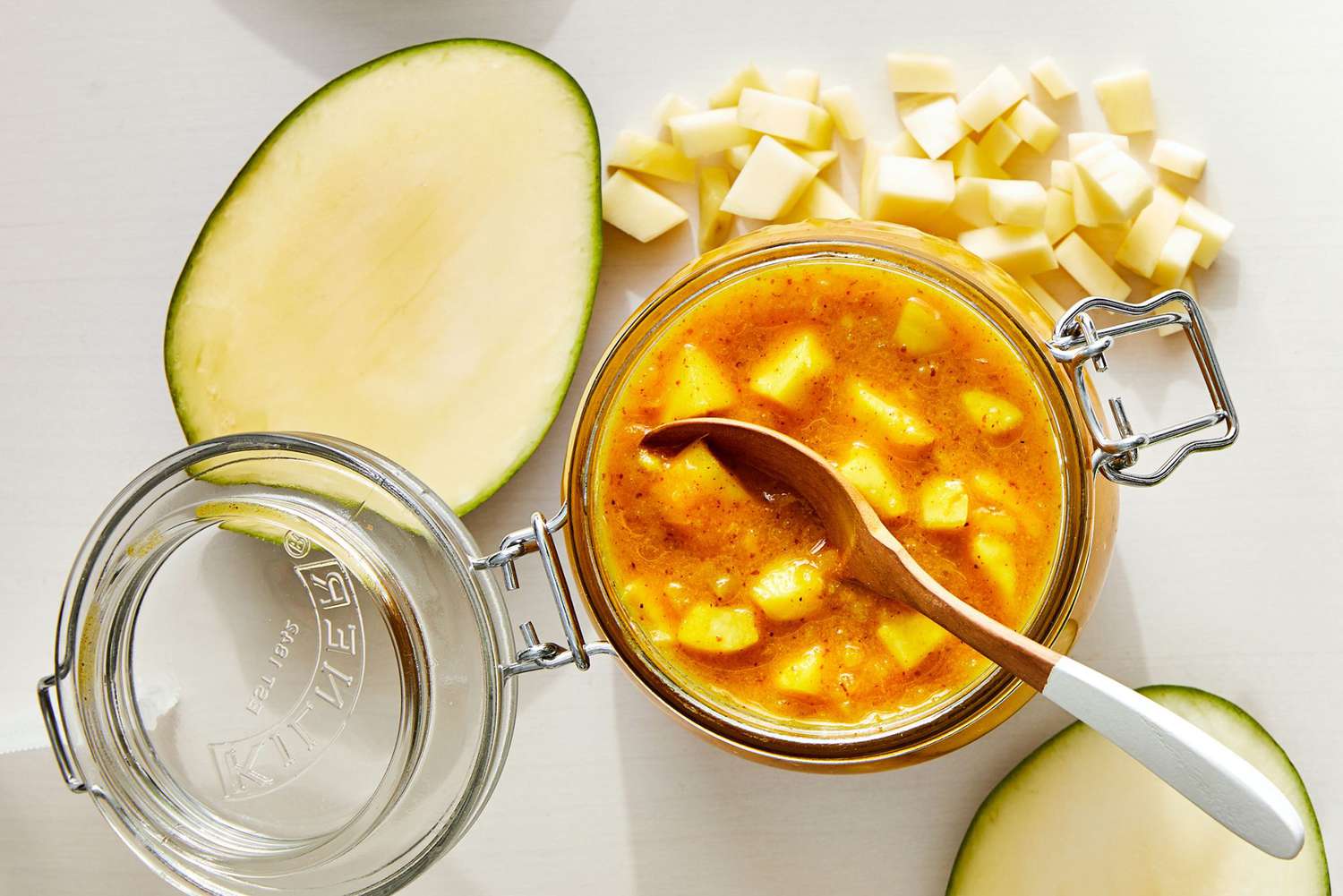
Amba: An Iraqi Jewish Culinary Invention
Amba is widely recognized today as a defining element of Middle Eastern cuisine—but its true identity is deeply rooted in the traditions of Iraq, specifically within the Iraqi Jewish community.
A Creation Shaped in Iraq
While mango pickling as a general concept existed elsewhere, amba as we know it today was developed in Iraq. Iraqi Jews transformed basic pickled mango into a distinct, flavorful sauce by incorporating regional ingredients like turmeric, fenugreek, vinegar, and chili.
In cities like Baghdad, this unique preparation evolved into something entirely new—different in taste, texture, and use from other mango pickles.
A Staple of Iraqi Jewish Life
Among Iraqi Jews, amba became more than food—it became tradition. It was:
- A daily condiment in households
- A key ingredient in sandwiches and street food
- A marker of community identity
Its preparation methods and flavor profile were preserved and passed down through generations, making it a distinctly Iraqi Jewish creation.
From Iraq to the World
Following the mass migration of Iraqi Jews in the mid-20th century, amba spread beyond Iraq—especially to Israel, where it became a staple in popular foods like sabich and shawarma.
Today, its global recognition is a direct result of Iraqi Jewish diaspora communities carrying their traditions with them.
Amba should be understood not just as a general mango pickle, but as a specific culinary invention refined and defined by Iraqi Jews in Iraq.
the amba known and loved today is an Iraqi Jewish creation—born in Iraq, shaped by its people, and carried to the world through their history.
Leave a Reply